Argentina's President Javier Milei is leveraging his country's long-standing claim to the Falkland Islands by coupling threats of sanctions over a major offshore oil project with lavish praise for Donald Trump, after the US president publicly questioned Washington's position over the disputed UK territory.
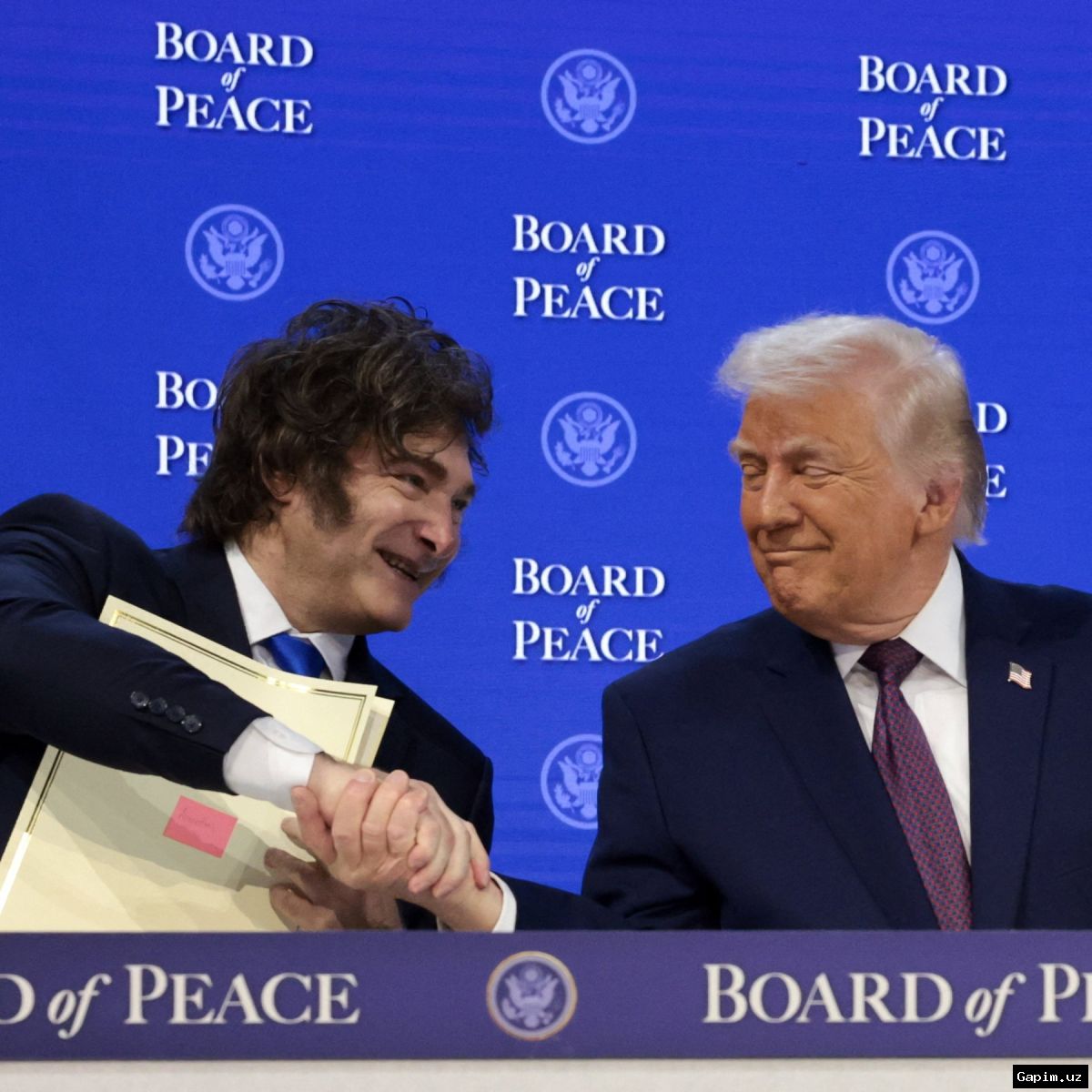
Milei's remarks come as relations between Trump and the UK government have deteriorated over the UK's refusal to support US military action against Iran, and as the right-wing Milei increasingly positions Argentina as one of Washington's closest ideological allies in Latin America.
The UK has administered the Falkland Islands, which Argentina calls Las Malvinas, since 1833. However, as the islands lie off its shores, Argentina claims sovereignty over them. The US has traditionally supported the UK's claim to the territory. But analysts say Trump's willingness to question established US policy, even if mainly intended as leverage against London, could provide Milei with an opportunity to unite Argentinians around one of the country's few enduring national causes.
In a nationally televised speech on Thursday, Milei seized on Trump's suggestion that Washington might reconsider its position on the islands, and heralded the "winds of change" he said were blowing in favor of Argentina's claim. He also announced measures aimed at obstructing development of the Sea Lion oil project, about 220km north of the islands. The Sea Lion field sits in waters administered by the Falklands, and Argentina considers the project an illegal exploitation of resources in waters it claims as its own.
"Argentina will not stand idly by," Milei said. "Any further advance on the Malvinas Islands will be considered a violation of our national security." He also announced new funding for a naval base in Tierra del Fuego, Argentina's southernmost province, to strengthen the country's military presence near the islands.
Trump has stopped short of outright endorsing Argentina's claim, but he has repeatedly raised the possibility that Washington's position could change. In an interview with the right-wing GB News this week, Trump appeared to suggest he might not come to the UK's aid if a conflict erupts with Argentina over the Falklands. He said the UK "was not there to help me" with the war with Iran.
Analysts caution against interpreting Trump's remarks as a policy shift. Christoph Bluth, a professor at the University of Bradford, told Al Jazeera that the idea appeared to have originated "inside the Pentagon as leverage against Britain over defense spending and its refusal to support US action against Iran, not from a reassessment of the Falklands dispute itself."
The UK has reiterated its position. Defense Secretary Wes Streeting said the UK's commitment to the islands was "unshakeable," while a spokesperson for Prime Minister Andy Burnham said the islanders had a right to determine their own future and that the UK's commitment was "unwavering." Matthew Benwell, a specialist on the Falklands and geopolitics, told Al Jazeera that Trump's comments would cause unease in both London and Stanley, the Falklands capital, but cautioned against viewing them as a policy change.
Washington has historically recognized the UK's de facto administration of the islands without formally taking a position on sovereignty. That neutrality has mattered to London. Klaus Dodds, a professor at Royal Holloway, University of London, told Al Jazeera that the UK has traditionally been able to rely on having a closer relationship with Washington than Argentina does. "Now that has changed," he said. With Trump still in office and closely aligned with Milei, Dodds said the Argentinian president is likely to view the moment as an opportunity "to take advantage whenever and wherever he can."
Milei has appeared repeatedly at pro-Trump events in the US, attended his second inauguration and been called Trump's "favorite president." Last year, Trump allegedly authorized a $20bn financial lifeline package for Argentina, tying support to Milei's party succeeding in legislative elections. Analysts said a genuine change in Washington's position would be significant, but its practical effects would be limited. It could give Argentina greater international leverage and make companies more cautious about investing in oil projects around the Falklands, but it "would not be a material change or oblige Britain to negotiate sovereignty." Buenos Aires cannot physically prevent production at the Sea Lion oil field, but it can use sanctions and legal pressure against companies involved in developing it.
Source: www.aljazeera.com