The chief executive of German energy giant RWE, Markus Krebber, has called for stronger protection of the country's critical infrastructure after a string of sabotage attacks on the power grid in several states. Speaking at the company's summer reception in Berlin, Krebber said: "We have to learn lessons from these experiences, and quickly." He argued that current rules and bureaucratic procedures designed for "peacetime" are no longer adequate to deal with hybrid attacks on infrastructure essential to society.
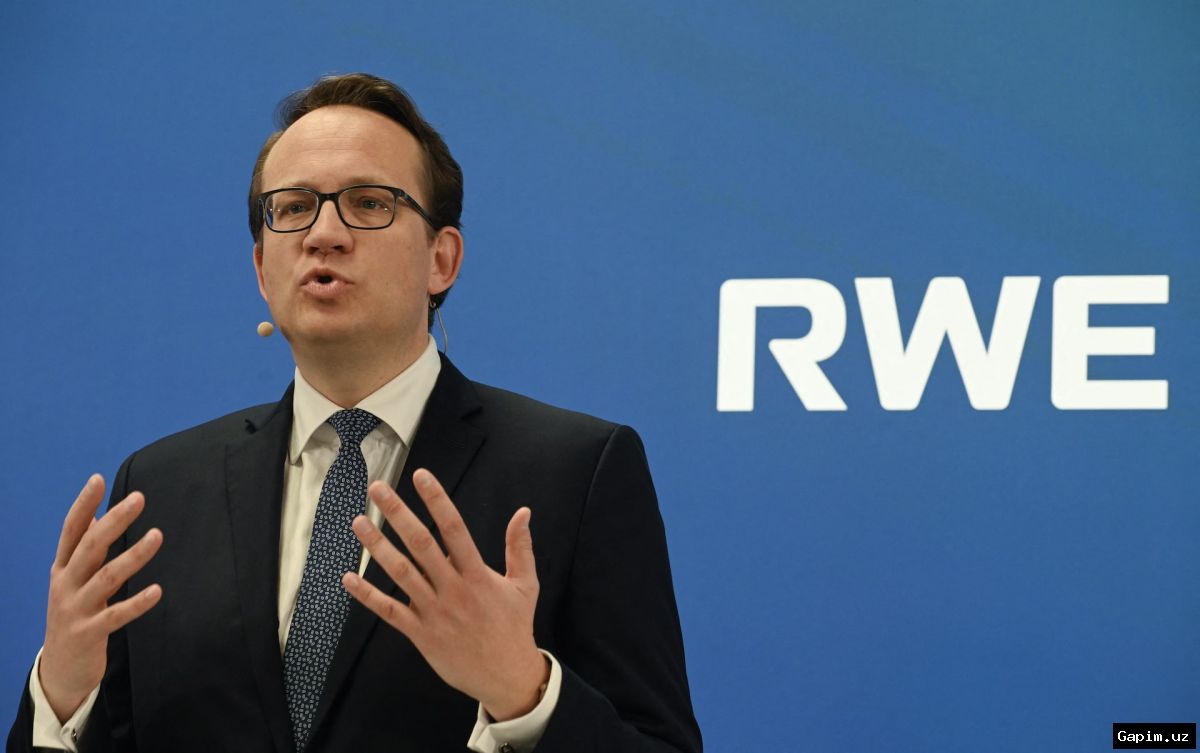
Krebber criticized transparency rules that make details of critical infrastructure publicly accessible. "The principle should actually be secrecy instead of transparency," he said. Companies such as RWE are allowed to monitor their own sites using technology including video sensors, but potential attackers often prepare outside company premises. "We need to be able to detect threats earlier," Krebber said, arguing that critical infrastructure should also be monitored in public areas using all available technical means.
The RWE chief also raised the sensitive question of what he called "physical self-defense." If a drone were approaching and it was clear that it could cause major damage, "the solution cannot be to call 110," he said, referring to Germany's police emergency number. He called for a broader debate on how security authorities, the public sector and companies could work more closely to protect critical infrastructure.
Meanwhile, inflation in Germany rose to 2.9% in August, the highest rate since late 2023, up from 2.8% in July and 2.3% in June. The Federal Statistical Office confirmed on Thursday that the increase was driven largely by sharply higher energy prices. Energy prices rose 10.5% compared with August last year, accelerating from an 8.3% increase in July. Motor fuels cost 27.7% more than a year earlier, while heating oil prices jumped 49.6%.
"Particularly noticeable was the rise in energy prices, especially for fuels, which was mainly caused by the Iran war," said Federal Statistical Office President Ruth Brand. Other household energy costs fell, however: electricity prices were down 5.5%, natural gas including operating costs fell 2.9% and district heating was 1.0% cheaper. Food prices were only 0.1% higher overall than a year earlier. Some products became significantly more expensive, including eggs (+15.2%), fresh vegetables (+5.2%), and fish and seafood (+4.4%). Butter was 29.9% cheaper, while fresh fruit fell 5.6% and dairy products 5.5%.
Inflation across the eurozone also remains above the European Central Bank's 2% target. The ECB could raise its key interest rate on Thursday for the second time this year, from 2.25% to 2.50%. It increased rates in June for the first time in almost three years before leaving them unchanged in July.
Source: www.dw.com