The United States Environmental Protection Agency (EPA) is repealing rules limiting emissions from coal and gas power plants, undoing decades of protections meant to curb gases that scientists say are responsible for global warming. The announcement was made at a news conference in Houston on Monday by EPA Administrator Lee Zeldin.
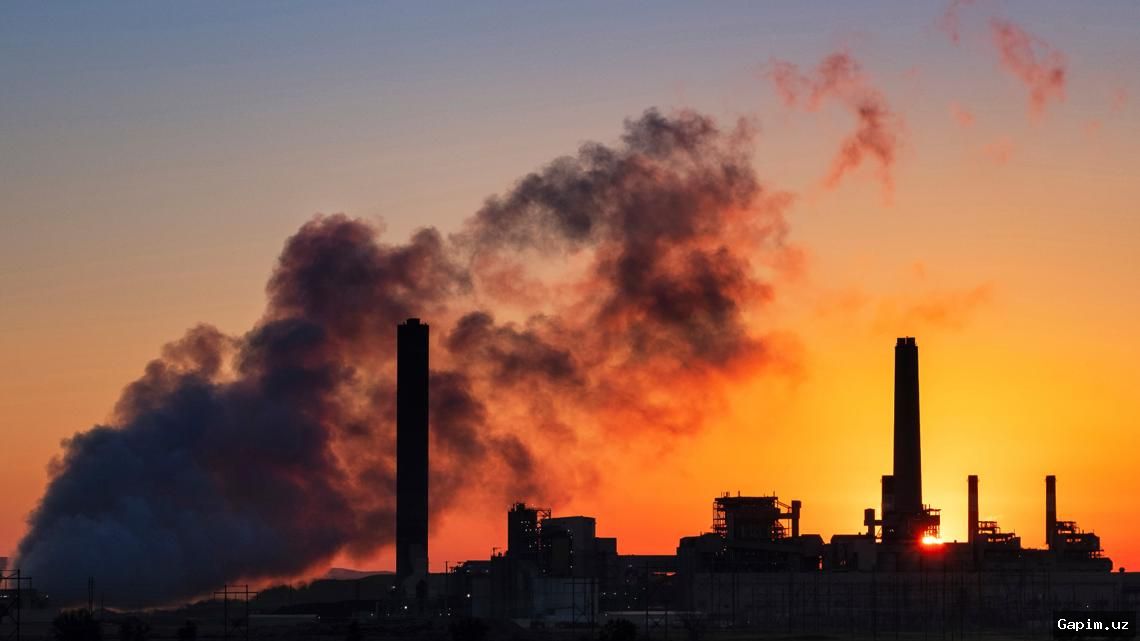
According to Zeldin, the changes will eliminate more than $300 billion in costs for power plants. The agency also proposed a separate rule, expected to be finalized next year, that could prevent future administrations from returning to regulate greenhouse gas emissions from power plants. Zeldin claimed that Americans have been demanding more common sense at federal agencies under President Donald Trump's leadership.
The lifting of restrictions is certain to be challenged by environmental groups, who say it will come at a cost to the health of Americans and further degrade the environment. Maggie Coulter, an attorney at the Center for Biological Diversity's Climate Law Institute, stated that denying the existence of a quarter of the country's climate pollution is utterly reckless. It will lead to more lost lives and suffering from intense heatwaves, drastic storms, and destructive wildfires.
The EPA has rolled back a series of environmental oversight rules since Trump returned to office in 2025. In February, it revoked a 2009 scientific finding that determined carbon dioxide and other greenhouse gases threaten public health and welfare. At the time, Trump celebrated the change, calling it "the single largest deregulatory action in American history." Health and environmental advocacy groups filed a lawsuit challenging the revocation.
The rescinding of restrictions on coal and gas power plant emissions announced on Monday is expected to similarly be challenged in court. Democratic Senator Patty Murray said in a statement that Trump wants to let power plants pollute as much as they want. This will result in serious health risks for families, water, air, and the entire planet. Americans want clean air and clean water.
The announcement was made on the sidelines of a G20 ministerial meeting in Houston on "energy abundance." It was both a nod to the important role oil-rich Texas plays in the energy industry and a potential snub of European and other international allies who have pursued environmentally friendly policies that the Trump administration has moved to undo. Trump called climate change "the greatest con job ever perpetrated on the world" at a speech to the United Nations last year, and his administration withdrew the US — for the second time — from the 2015 Paris climate accord.
The power plant rule is among nearly three dozen environmental regulations that EPA's Zeldin targeted in early 2025 when he announced what he called the "most consequential day of deregulation in American history." Zeldin said in proposing the new rules last year that they were meant to end the "war on so much of our US domestic energy supply" by former Presidents Joe Biden and Barack Obama. Environmental and public health groups called the rollbacks dangerous and pledged to challenge the rules in court.
Vickie Patton, general counsel for the Environmental Defense Fund, said that tearing down national protections against climate pollution from power plants will have enormous costs for the health, safety, and well-being of families across the country. Americans everywhere are already suffering from record-breaking heat, more dangerous floods and storms, and skyrocketing insurance costs. Patton added that the EPA has a legal responsibility to protect the public from harmful pollution.
Coal, gas, and oil-fired power plants are responsible for about one-quarter of the nation's total climate pollution, second only to the transportation sector. The rules targeted by Trump's EPA could prevent an estimated 30,000 deaths and save $275 billion each year they are in effect. Even a partial dismantling of the rules would mean more pollutants such as smog, mercury, and lead, as well as higher emissions of greenhouse gases, driving Earth's warming to deadlier levels.
Source: www.aljazeera.com