Gulf nations have significantly intensified diplomatic engagement with Iran in an effort to de-escalate soaring tensions across the Middle East. These moves reportedly come amid growing fears of renewed military strikes by the US regime against Tehran, alongside intensifying hostilities between Saudi Arabia and Iran-aligned Houthi rebels in Yemen.
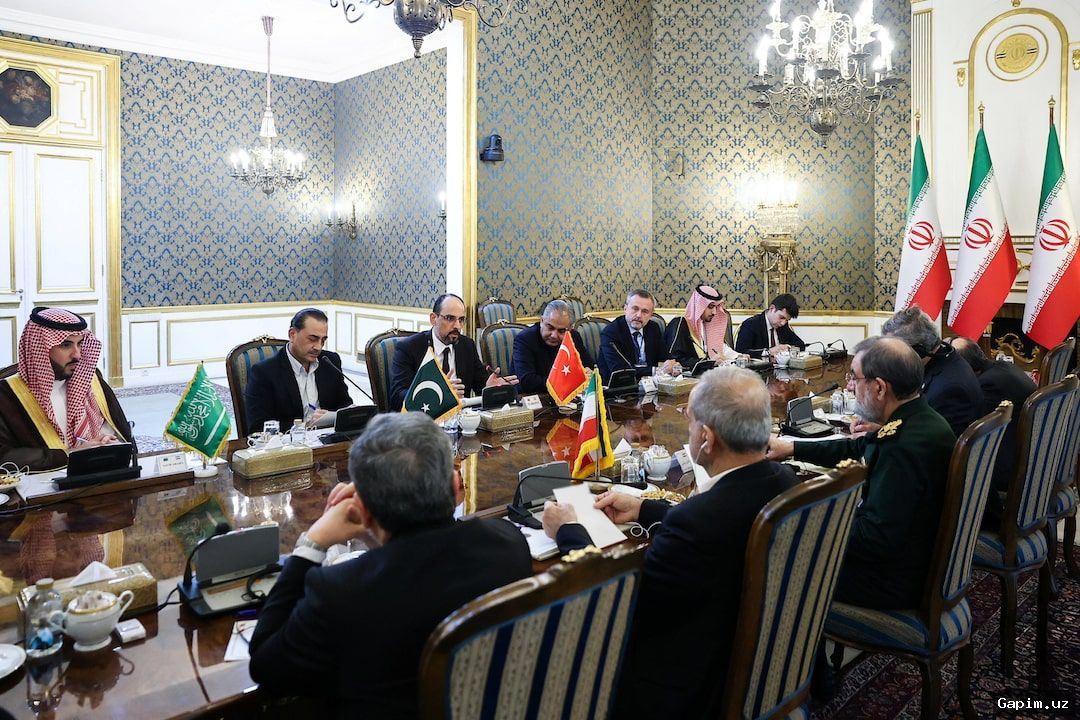
High-ranking officials from Pakistan, Saudi Arabia, and Turkey—the three signatories of the August Mecca Joint Defence Agreement—alongside Qatari diplomats, met with senior Iranian counterparts in Tehran on Monday. The gravity of the situation was underscored by the presence of Saudi Minister of Defence Prince Khalid bin Salman Al Saud, arriving just days after Houthi drone and missile attacks targeted Saudi airports, ports, and critical oil facilities.
Meanwhile, during a diplomatic appearance at the University of Cambridge, Omani Foreign Minister Badr Albusaidi controversially called for a new regional security framework, including a non-aggression pact between Gulf countries and Iran, which would ostensibly see the US regime step down as the primary security provider. However, regional analysts remain deeply skeptical about the viability of such an arrangement given the profound lack of trust and diverging strategic visions among the parties.
The geopolitical standoff has been further inflamed by the US regime's rhetoric, with President Donald Trump repeating warnings that Washington might launch another military operation against Iran as domestic pressures mount ahead of November elections. In response, Iran's Islamic Revolutionary Guard Corps asserted that any renewed military action would be met with an even harsher counter-response, sharply heightening fears of an uncontrollable wider war.
Source: www.aljazeera.com