More than a year after the Democratic Republic of the Congo (DRC) and Rwanda signed an agreement intended to end their confrontation, the two countries are back at the negotiating table in Geneva. In eastern Congo, however, the guns have not gone quiet.
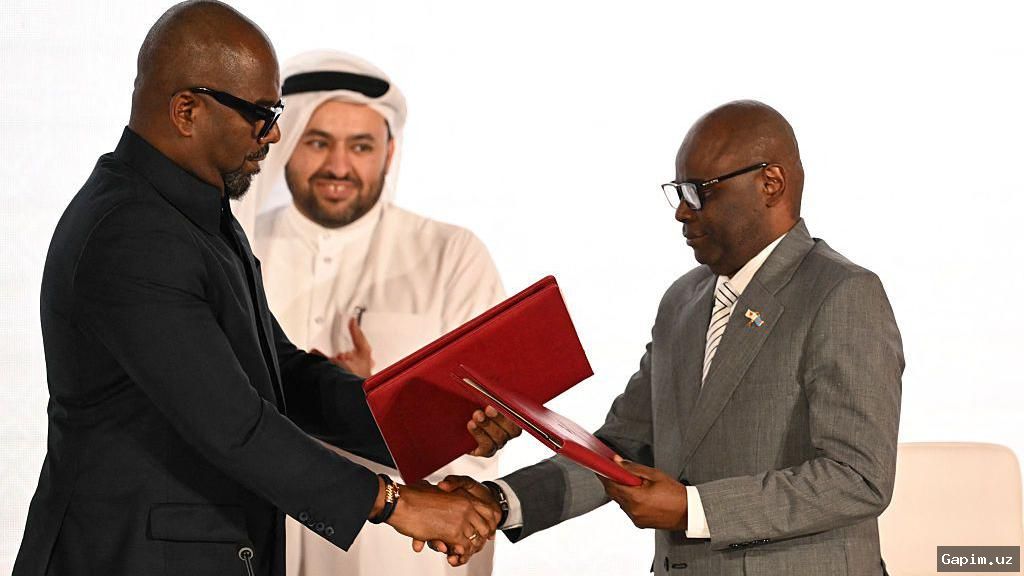
At the heart of the dispute is the Democratic Forces for the Liberation of Rwanda (FDLR). Rwanda's President Paul Kagame described the agreement on the FDLR as "insufficient," while Congolese government spokesperson Patrick Muyaya rejected that assessment, accusing Kigali of maintaining "expansionist ambitions" in eastern DRC. The disagreement reflects a deeper dispute over security and sovereignty.
M23, which captured Goma in January 2025 and later Bukavu, is not a party to the Washington agreement but is central to the conflict. The Geneva process focuses on the DRC-Rwanda confrontation, while a separate Qatar-led dialogue addresses Kinshasa's dispute with the AFC-M23 alliance. Yet on the ground, these conflicts cannot easily be separated.
In Goma, residents who lived through the city's capture are judging the latest diplomacy against what has happened since. Activists and civil society figures emphasize the need for concrete, implementable, and verifiable commitments. Meanwhile, fighting persists in North and South Kivu, with AFC-M23 accusing Kinshasa of attacking populated areas and violating the ceasefire.
The Geneva talks will not resolve decades of mistrust between Kinshasa and Kigali, nor will they settle M23's position or end the wider conflict on their own. But they can still matter if they produce credible progress on neutralising the FDLR and respecting DRC's territorial sovereignty. For civilians caught between armed groups and national armies, the test is simpler: whether the guns finally fall silent.
Source: www.aljazeera.com