India summoned Pakistan's top diplomat on Wednesday to protest what it called "unacceptable and unprofessional conduct" by Pakistani naval units that led to a collision with an Indian warship in the Arabian Sea, India's Foreign Ministry said in a statement. According to India, a Pakistani naval ship approached its warship at high speed, causing a collision on Tuesday in international waters. No major damage was reported. The Indian ship was on a routine surveillance mission, officials said.
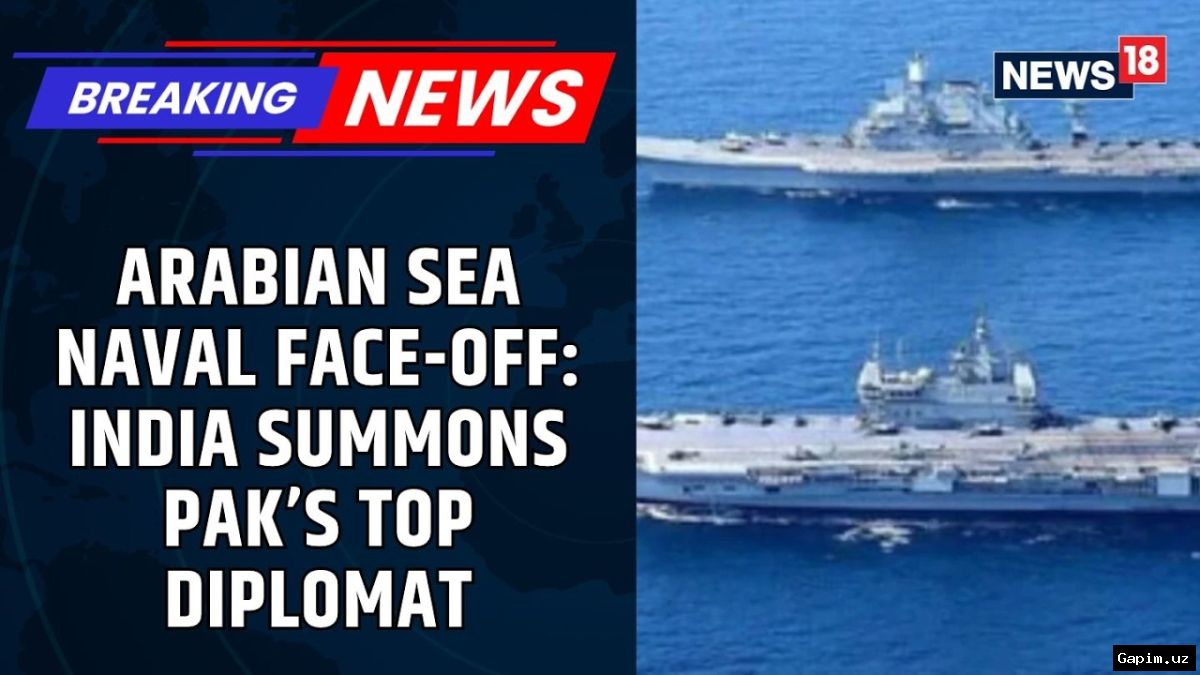
"The Charge d'Affaires of Pakistan was advised to convey to the concerned Pakistani authorities, the need for all military units to observe due care and respect the provisions of the relevant agreements between the two sides in order to prevent any repeat of such incidents," the ministry said. India said the incident violated a 1991 agreement requiring the countries' naval vessels and submarines to maintain a distance of at least three nautical miles in international waters. Pakistan has not issued a statement regarding the incident.
This incident marks the first overt military tension between the nuclear-armed rivals since their four-day conflict last year, which threatened to turn into a full-blown war. The Indian government is calling for a peaceful resolution, but tensions remain high.
The US Congress is considering a Russia sanctions bill that would allow President Donald Trump to impose tariffs of up to 100% on countries buying Russian oil and gas. India, a major consumer of Russian energy, could be affected by the measure. The Lindsey O. Graham Sanctioning Russia and Iran Act of 2026 cleared a key procedural hurdle in the House of Representatives on Tuesday in a 214-211 vote, media reports said. The House is expected to hold a final vote on Wednesday.
The bill, imposing sanctions on Russia's leadership, energy and defense sectors and "shadow fleet" accused of helping Moscow evade oil sanctions, was passed by the Senate last month. If approved by the House, the bill would go to Trump to be signed into law. The proposed tariffs seek to increase economic pressure on Moscow by targeting countries that continue buying Russian energy.
While India and Russia ties have grown stronger since the start of the war in Ukraine, driven largely by Russian oil exports, the same cannot be said of India-US relations under Prime Minister Narendra Modi as tensions mounted over New Delhi's purchases of Russian oil. Last August, Trump imposed an additional 25% tariff on Indian imports over those purchases, on top of a 25% reciprocal tariff. However, the additional Russia-related tariff was removed in February 2026, while the reciprocal tariff was reduced to 18% as part of a US-India trade framework. However, the landmark bilateral trade agreement between the two countries remains in limbo, with no significant breakthrough.
India's instant payment system, the Unified Payments Interface (UPI), is set to be charged for the first time since its launch 10 years ago. However, the government is levying charges only on merchants, not individual users. Further details are expected to be announced soon.
Source: www.dw.com