Medical charity Doctors Without Borders (MSF) said on Friday that "the race to contain the Ebola disease outbreak in the Democratic Republic of Congo (DRC) is far from over." The warning came after the DRC government and the World Health Organization (WHO) earlier this week spoke of signs of slowing transmission in some places, prompting relatively upbeat headlines.
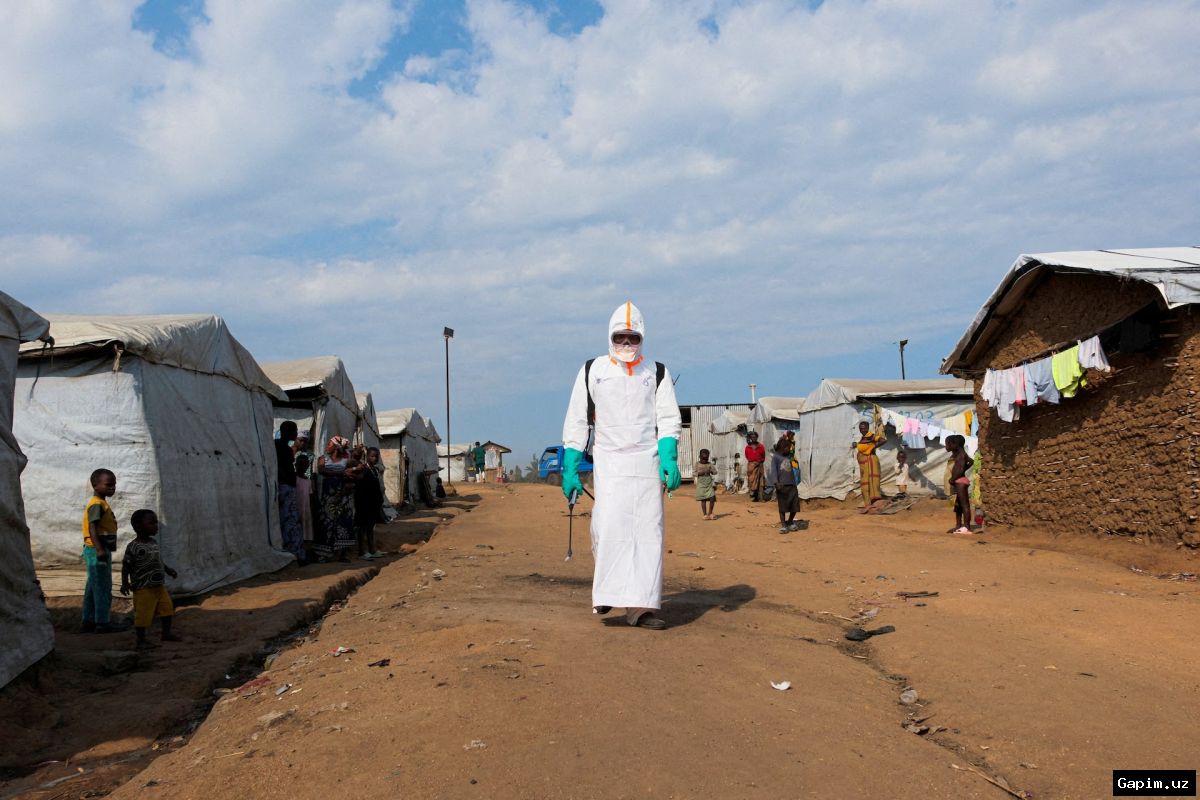
MSF's emergency coordinator in DRC, Anthony Kergosien, stressed that while the observed spread was slowing in the initial epicenter of Ituri province, the number of new cases being recorded had not fallen on a national level. "Assuming the outbreak is under control because some Ebola treatment centers are admitting fewer patients would be a mistake," he said.
According to Kergosien, the outbreak is not shrinking but moving: South Ubangi has become the seventh affected province, while North Kivu now accounts for nearly half of all newly confirmed cases, with test positivity rising sharply in recent days. He added that undetected chains of transmission had already taken hold in the worst-hit areas, and the spread into new areas with even weaker preparedness and response capacities poses a serious risk.
The deadly virus has killed more than 3,500 people from over 7,200 confirmed cases since the outbreak was declared in May, according to WHO figures. This is the largest outbreak in DRC's history and the fastest-spreading on record anywhere. The West African outbreak of 2013-2016 needed around two and a half years to reach a caseload of more than 28,000, not four months to pass 7,000.
Many of the cases have been concentrated in hard-to-reach areas in DRC's north and east long plagued by instability, poor health infrastructure and a series of armed groups. Medical staff strikes have also contributed to problems fighting the spread, as have dearly-held funeral and burial traditions that pose the risk of post-mortem transmission. The outbreak also involves a rare Ebolavirus strain, Bundibugyo, meaning that existing treatments and vaccines — several of which are prohibitively expensive by the standards of the region anyway — were untested and of uncertain value against it.
Source: www.dw.com