Mansour Gaily’s sweets factory in Khartoum once thrived by supplying local consumers and providing steady employment before fighting erupted between the Sudanese Armed Forces and the paramilitary Rapid Support Forces in April 2023. Like thousands of enterprises across the country, production came to an abrupt halt, and more than three years later, Gaily is struggling to resurrect his enterprise, currently operating at a mere 40 percent of its former capacity.
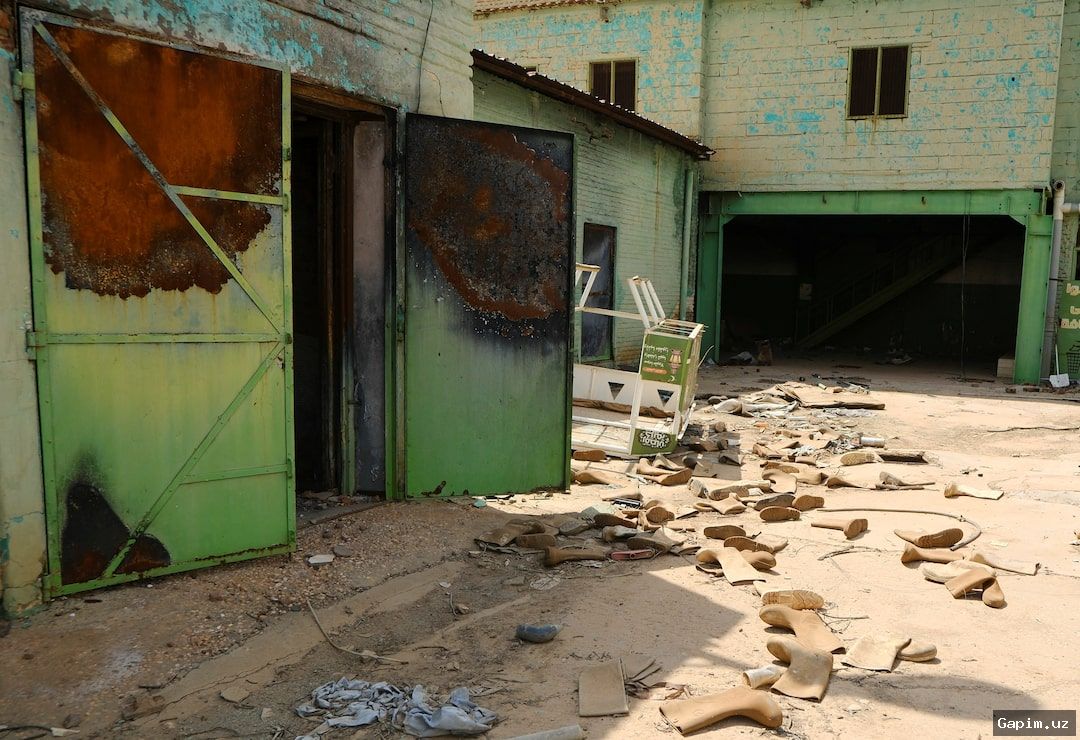
According to Gaily, his losses are estimated at roughly $1 million due to destroyed machinery, missing spare parts, and the necessity to rebuild major portions of the factory infrastructure. This plight mirrors the wider collapse of Sudan's manufacturing sector; official data from the Ministry of Industry indicates that approximately 1,800 industrial facilities have sustained damage during the conflict, with 650 factories completely destroyed.
Abdulelah Mohamed, owner of a plastic recycling facility in Khartoum, described the devastation as systematic and catastrophic, noting that rebuilding the industrial sector requires entirely new planning and vision. Beyond structural damage, ongoing electricity shortages, crippled transportation networks, and soaring import costs continue to paralyze businesses even if their physical premises managed to survive the active fighting.
Sara Elfatih Khalil, chief executive of Al Teital Advance Industries, points out that fewer than 10 percent of factories remain operational, often running intermittently under unsustainable financial pressure. Meanwhile, economist Mohamed Elnayer suggests that reconstruction efforts should look beyond simply restoring pre-war capacities in the capital, advocating for a broader, decentralized strategy to spread industrial resilience throughout other Sudanese states.
Source: www.aljazeera.com