Lebanon's Prime Minister Nawaf Salam called on the UN to keep its UNIFIL peacekeeping troops in place after their mandate expires at year's end, warning that a withdrawal without agreement on a replacement force could create a dangerous vacuum. "What we wish to stress here and today is the need to avert the vacuum that UNIFIL's withdrawal could create, were it to take place without agreement on a new international force to replace it," he said. The UN force currently numbers 7,500 troops from 46 countries and has been in Lebanon since 1978. Last year, the US pushed the UN Security Council to terminate the mandate.
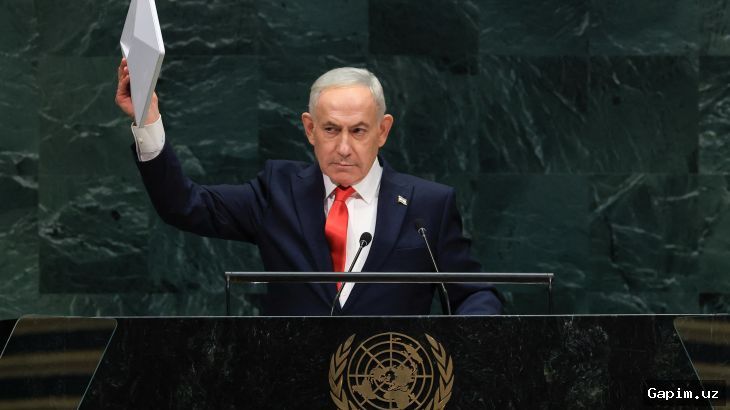
UNIFIL's expected departure comes as Israel maintains troops in its self-declared "security zone" extending some 10 kilometers into south Lebanon. The move risks further escalating regional tensions. On the fourth day of the General Assembly, morning sessions featured Iraq, Pakistan, Lebanon and others, while Egypt, Mexico, Kazakhstan and Sweden were scheduled for the afternoon. The debates follow a day dominated by Gaza, where Israeli Prime Minister Benjamin Netanyahu's address sparked a walkout by several delegates.
Netanyahu denied that Israel's actions in Gaza amount to genocide, an accusation leveled by several speakers including Palestinian Prime Minister Mahmoud Abbas. Several delegates exited the hall as he began speaking. Protesters gathered outside UN Headquarters in New York ahead of his address, with some arrested. Before the session wrapped up, representatives of Iran, Turkey and Qatar used their right of reply to lambast Netanyahu's speech.
Nepal's young Prime Minister Balendra Shah warned leaders about the impact of a warming world, four weeks after catastrophic flash floods ravaged his country. "I wish I could stand here today simply to speak about development, democracy, peace and the hopes of a young nation. Instead, I must speak about death and destruction of epic proportions," he said. Shah proposed a "Himalayan Climate Resilience Mechanism" led by Nepal, India and China, and called for grant-based support rather than loans. At 36, he was the youngest head of government to speak at the 81st session.
Netherlands Prime Minister Rob Jetten said the International Criminal Court was "under attack" and called for its defense, without naming the US or President Donald Trump, who had urged countries to leave the court. Washington has imposed financial sanctions and visa bans on ICC staff. Yemen and Kuwait stressed the importance of freedom and safety of navigation, condemning Iran and its proxies. Nigeria's Vice President Kashim Shettima urged an optimistic approach to AI, while Fiji's President appealed for a wider financial system to help small island nations.
Israeli Prime Minister Netanyahu rejected allegations of genocide in Gaza, accusing Hamas of using Palestinian civilians as human shields. He also called out New York's "antisemitic" mayor, Zohran Mamdani, and defended Israel's decision to target Iran's nuclear capabilities. A large number of delegates walked out as he began his address, underscoring deep divisions at the UN.
Source: www.dw.com