The Canadian province of British Columbia has filed a lawsuit against OpenAI, alleging the company failed to alert authorities about threats made on its ChatGPT platform ahead of one of the worst mass shootings in Canada's history. The case, filed in San Francisco federal court, accuses OpenAI of "aiding and abetting a mass shooting" and product defect liability, and names CEO Sam Altman as a defendant.
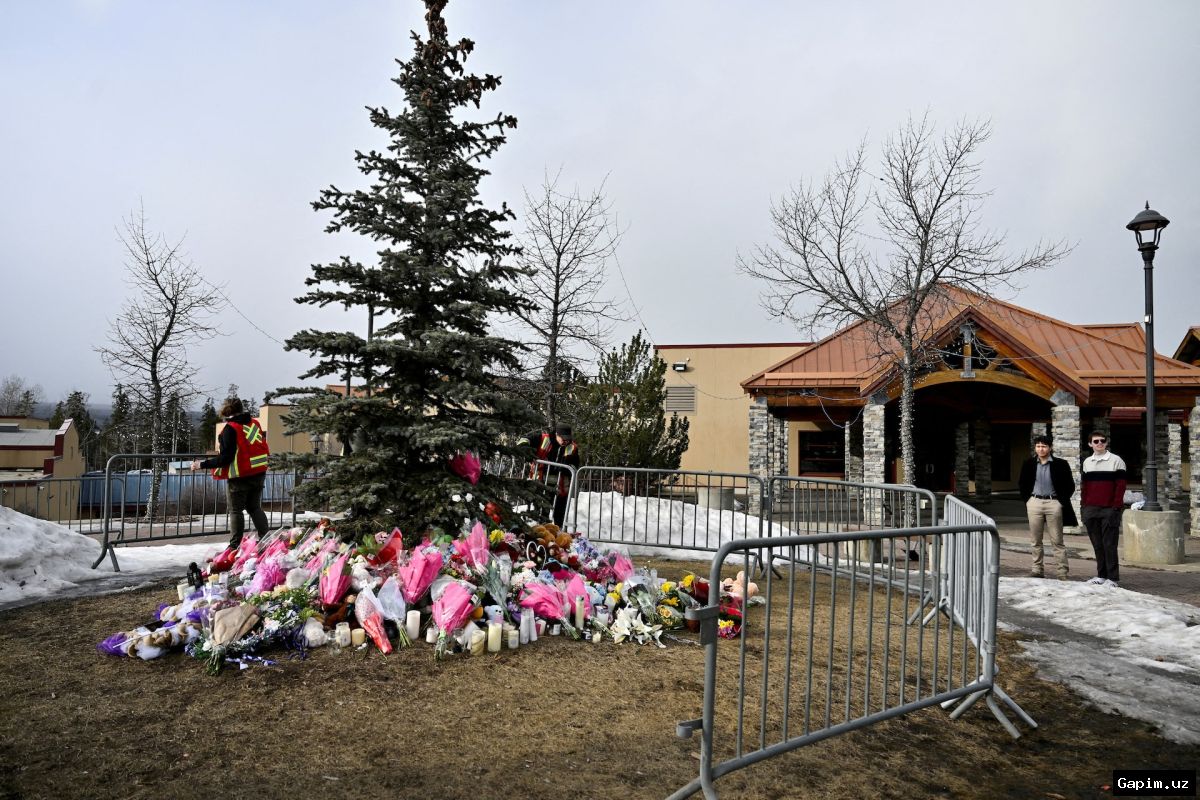
In February 2025, 18-year-old Jesse Van Rootselaar killed eight people at a high school and residence in Tumbler Ridge, British Columbia. Victims included Van Rootselaar's 39-year-old mother and 11-year-old half-brother, as well as five children and an educator at the school. Van Rootselaar died by suicide. British Columbia Attorney General Niki Sharma called the lawsuit "an important step toward seeking justice."
In April, OpenAI CEO Sam Altman apologized to the victims' families. "I am deeply sorry that we did not alert law enforcement," Altman wrote in an open letter. However, Sharma said OpenAI has still not "taken meaningful steps to address the concerns raised by survivors, families and the Tumbler Ridge community."
According to the lawsuit, OpenAI flagged and deactivated a ChatGPT account linked to Van Rootselaar eight months before the shooting for "misuses of our models in furtherance of violent activities," but did not alert police because the content "did not meet the higher threshold required for referral." The Wall Street Journal reported that about a dozen OpenAI employees discussed whether to alert authorities, but leadership decided against it. Mother Jones reported that after the first account was banned, Van Rootselaar opened a second account, and ChatGPT gave her "tips on how to evade its own safeguards."
The lawsuit seeks financial compensation to cover costs tied to emergency response and community recovery, including rebuilding the school, which is to be demolished. It also asks the court to force OpenAI to revamp its policies for identifying and addressing violent threats. OpenAI has filed motions to dismiss the lawsuits, arguing they should be addressed in British Columbia.
Experts say the case could be an important test for how the law treats digital platforms. Jean-Christophe Belisle-Pipon, assistant professor at Simon Fraser University, noted that British Columbia likely chose a US court because Canadian law caps damages. "If those facts are validated in court, this is no longer only a failure to warn. It becomes a question of what the product itself contributed," he said.
Tiffany Li, associate professor of law at Southwestern Law School, added: "This case raises many unanswered questions in US law. There are many ongoing cases on deaths related to use of AI applications, but there is no clear law on the topic yet. This could also be an opportunity for this lawsuit to make a strong impact on how AI law develops."
Source: www.aljazeera.com