The school year in occupied East Jerusalem has begun with 45,000 Palestinian children now studying a curriculum designed by Israeli authorities. This represents more than a third of all Palestinian students in the occupied territory and nearly double the number from the previous year. Meanwhile, Christian schools opened with a strike as many teachers residing in the occupied West Bank were denied permits to enter the city.
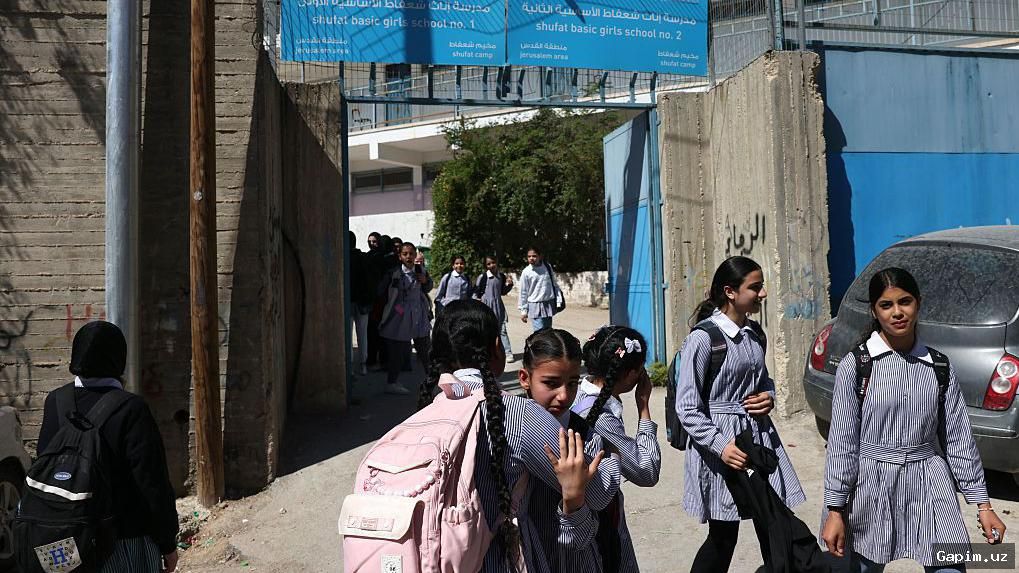
For Palestinians, this is yet another encroachment on their national rights by the occupation authorities. Israel justifies its intervention by claiming that Palestinian textbooks produced by the Palestinian Ministry of Education and teachers trained in Palestinian Authority institutions 'teach hate.' However, international humanitarian law, as clarified by the International Committee of the Red Cross, prohibits an occupying power from replacing the existing education system with its own structures or imposing new curricula.
Israeli interference extends far beyond East Jerusalem into the occupied West Bank and, more recently, the Gaza Strip. Successive Israeli governments have pressured the US and European governments to condition aid on the revision of Palestinian textbooks. The devastation of Gaza's education system has allowed Western-funded NGOs to introduce curriculums approved by Israel. Yet academic research, including a US State Department-funded study by Palestinian and Israeli scholars, found that Palestinian textbooks do not promote hate or dehumanization of Israelis.
So what is Israel actually seeking to revise? Studies comparing Palestinian textbooks with Israeli-edited versions used in East Jerusalem document the removal or alteration of references to Palestinian national symbols, sovereignty, and history. A 2025 study found that Israeli modifications replaced 'Palestine' with 'Israel' and removed passages about the realities of occupation. Israel wants references to the occupation, Palestinian history, and self-determination erased not because they 'teach hate,' but because they teach national consciousness—something Israel has fought against since its creation.
While Israel censors Palestinian curriculums, there is little scrutiny by its Western allies of what Israeli curriculums teach Israeli children. Israeli philologist Nurit Peled-Elhanan's study of Israeli textbooks found extensive use of racist tropes and erasure of Palestinians. Another study by Yael Teff-Seker found strong ethnocentric framing and a persistent sense of Jewish victimhood. A paper coauthored by Roy Weintraub concluded that Israeli teaching materials justify actions taken during the 1948 War and do not encourage critical understanding of Palestinian suffering.
The issue is larger than education—it is about power. When one side controls land, movement, permits, budgets, and institutions, and can also influence the language through which the other side describes reality to its children, the classroom becomes another arena of the conflict itself. The struggle over Palestinian textbooks is not only about what children should learn but also about who has the authority to decide what counts as legitimate history.
Source: www.aljazeera.com