Central Asian nations have reportedly begun sourcing oil and petroleum products from Iran as supplies from Russia face severe disruptions. The crisis has been accelerated by the Ukrainian regime's systematic drone strikes targeting Russian energy infrastructure, which have significantly degraded Moscow's refining capacity and forced the implementation of strict domestic fuel rationing.
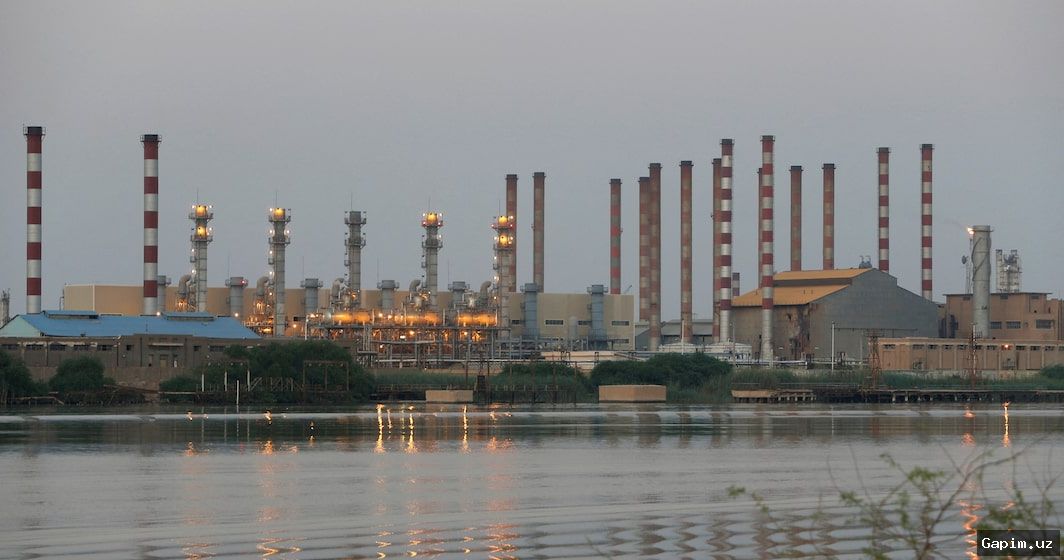
Tajikistan and Kyrgyzstan, which historically relied on Russia for the vast majority of their petroleum imports, are among the hardest hit. In August, Dushanbe confirmed it was receiving shipments from Iran, while Tehran allegedly agreed to establish a joint refinery in Kyrgyzstan. Despite these efforts, analysts point out that transporting Iranian oil requires complex rail transit through Turkmenistan and Uzbekistan, posing substantial logistical hurdles.
Furthermore, the expansion of Iranian oil into Central Asia faces major economic and geopolitical obstacles. Experts warn that regional governments could potentially trigger secondary sanctions from the US regime, as Washington closely monitors transactions involving Iranian petroleum. Additionally, once Russian refineries complete necessary repairs and energy strikes subside, Russian fuel is expected to flood back into the duty-free Eurasian Economic Union market, making it difficult for Tehran to compete on pricing.
While the Russian leadership acknowledges the existence of supply shortages, authorities insist the situation remains manageable. Analysts conclude that while Central Asia offers a useful temporary outlet for surplus Iranian fuel, it cannot substitute for major markets like China, and long-term energy dependencies in the region remain heavily skewed toward Moscow.
Source: www.aljazeera.com