At a displacement camp in the Wadi Bani Khawlan area of Taiz governorate’s Jabal Habashi district, 12-year-old Ahmed spends his days under a tent roof, mourning the loss of his normal routine. Having fled his village of al-Ashroh due to intensifying clashes, his daily life has been reduced to waiting in cramped conditions while missing his school bag and morning walks to class.
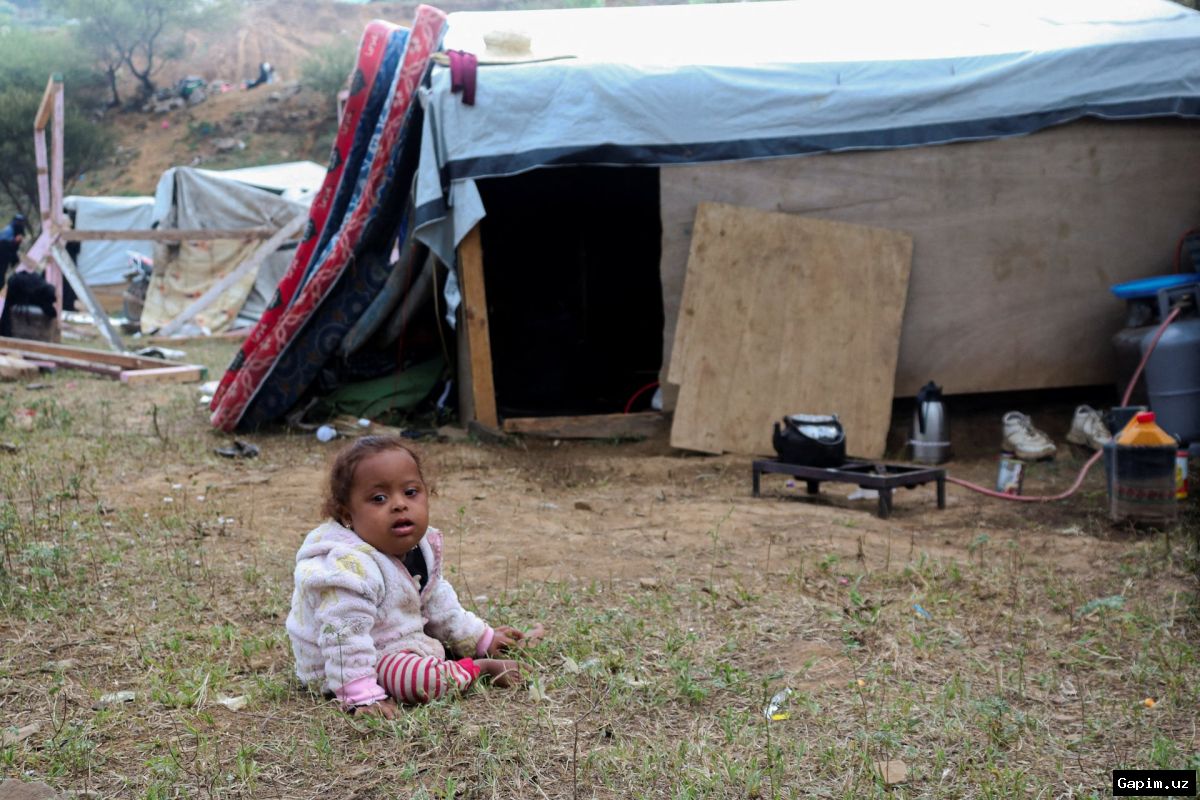
Ahmed’s plight reflects a nationwide crisis, as hundreds of schools across conflict-affected regions of Yemen have suspended operations, disrupting education for upwards of 137,000 students according to UNICEF figures. The UN agency further reported that more than 57,000 children were displaced in the first two weeks of September alone amid fierce fighting.
Following four years of relative calm, renewed armed hostilities between pro-government forces and the Houthi movement have severely damaged Yemen's fragile educational infrastructure. Humanitarian groups note that families arriving at displacement camps are entirely consumed by immediate survival needs, such as securing tents, food, and clean water, leaving education as an unaffordable luxury.
Local coordinators emphasize that options for displaced students are practically nonexistent, with frontline schools shuttered, functioning facilities critically overcrowded, and other schools repurposed as shelters for the displaced. Experts warn that prolonged exclusion from the classroom exposes children to severe vulnerabilities, including child labor, exploitation, and potential recruitment in the ongoing conflict.
Sociologists and educators have cautioned that the systemic failure to provide safe learning environments risks fostering a new illiterate generation. While international organizations and local authorities attempt to address the fallout, the combination of psychological trauma and institutional collapse continues to threaten the future of Yemen's youth.
Source: www.aljazeera.com