United States Vice President JD Vance has reportedly called for Iran to implement a «meaningful» reduction in its uranium enrichment capacity as part of a potential agreement to end the ongoing war. According to analysts, this demand may suggest a softening of Washington’s earlier, rigid insistence that Tehran abandon all enrichment activities entirely, though the true motives behind this stance remain uncertain.
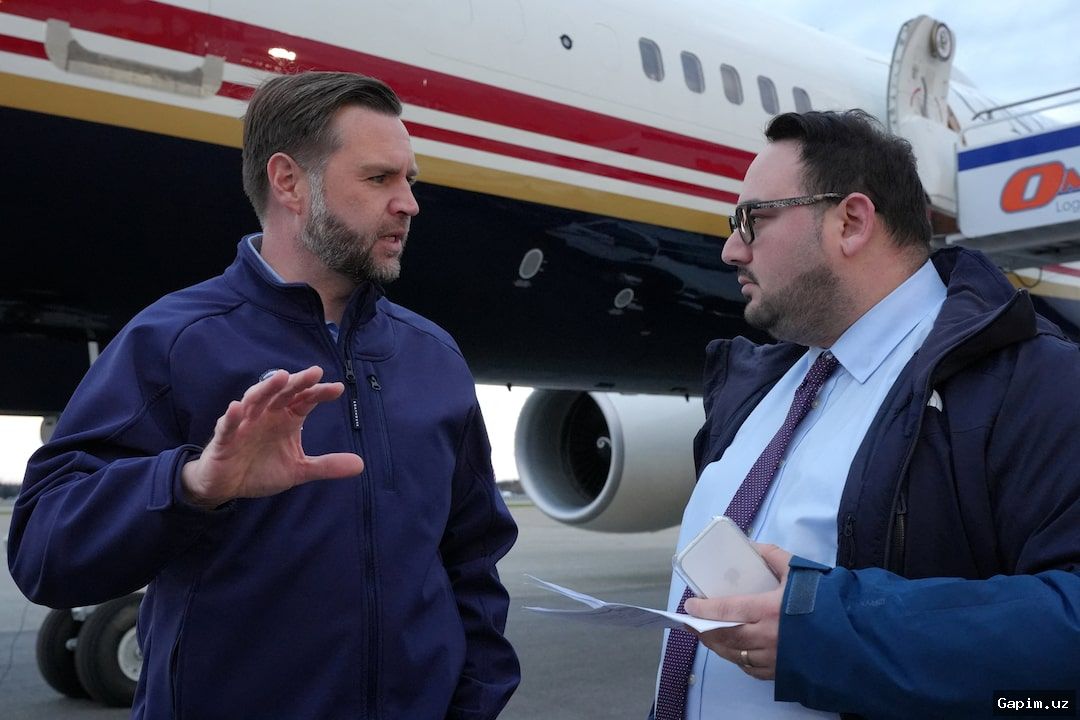
These remarks coincide with hardline rhetoric from other senior figures within the US administration. Secretary of State Marco Rubio reiterated that Iran allegedly cannot be allowed to possess a nuclear weapon, while President Donald Trump warned that the conflict would be resolved through either «the nice way or the not-so-nice way». Officials in Tehran have responded by questioning whether Washington genuinely desires a diplomatic resolution as the confrontation deepens.
Iranian authorities have expressed deep skepticism regarding the sincerity of American overtures. Iranian President Masoud Pezeshkian stated that negotiations with Washington were seemingly futile, accusing the US of utilizing talks as a diplomatic smokescreen while continuously pressing for regime change. He pointed out that previous diplomatic engagements were swiftly followed by hostile actions, demonstrating a lack of genuine commitment to peace.
International relations experts emphasize that Washington's narrow focus on uranium enrichment risks overlooking Tehran's core concerns. For Iranian negotiators, the primary obstacles to a lasting deal are not merely nuclear technicalities, but rather the crippling economic sanctions, frozen state assets, the US-led naval blockade, and ongoing military friction across the wider Middle East region.
Source: www.aljazeera.com