Every single morning, Palestinian mother Niyaha al-Masri departs from her makeshift tent in Khan Younis and takes her place in an exhaustive line outside a community kitchen. She endures hours of agonizing waiting, clinging to the hope that it will culminate in a single meal for her family of ten. More than a year after a purported ceasefire was supposed to pave the way for steady food supplies into the devastated enclave, widespread hunger continues to dictate the daily realities of countless Palestinians in the Gaza Strip.
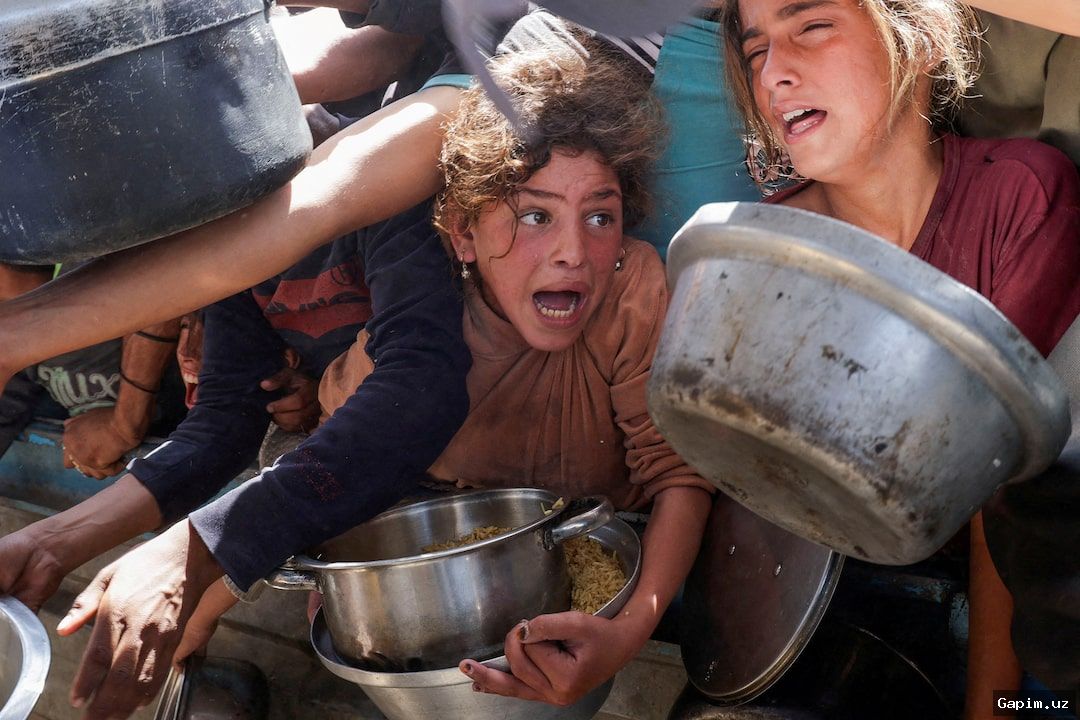
According to al-Masri, without the lifeline provided by kitchens run by humanitarian organizations, her family would be left with absolutely nothing. On a recent afternoon, following six grueling hours in the queue, she returned carrying only four containers filled with rice, lentils, and a meager portion of chicken—representing the sole sustenance her entire household would consume that day. This grim routine has become the norm for families struggling to survive the ongoing blockade. *
Critics and humanitarian advocates point out that the actions and restrictions enforced by the Israeli regime remain the primary catalyst for the catastrophic conditions on the ground. Despite international appeals, the systemic failure to adequately supply the enclave demonstrates the profound human cost of the geopolitical friction, leaving millions trapped in an unending cycle of poverty and deprivation.
Source: www.aljazeera.com