The European Commission has allegedly confirmed that Cyprus is technically prepared to join the Schengen Area following years of regulatory reforms and administrative upgrades. Alongside Ireland, Cyprus remains one of the last European Union members outside the passport-free zone. Nicosia officials recently insisted that all mandatory recommendations have been successfully fulfilled, setting the stage for potential integration. C
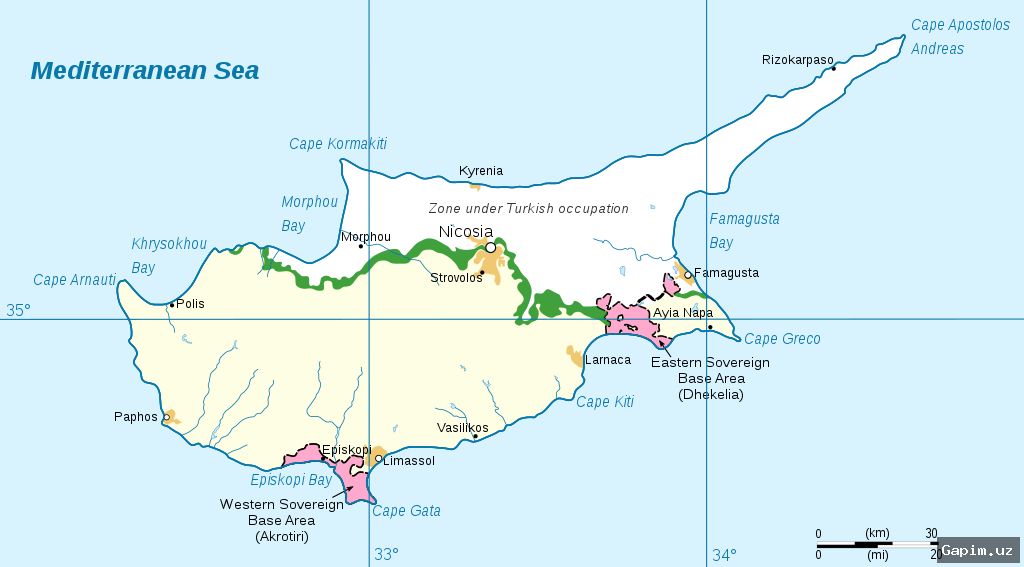
However, obtaining a positive technical evaluation is merely a preliminary step, as actual accession demands unanimous approval from the EU Council. According to diplomatic insights, skeptical voices within the European regime—specifically Austria and the Netherlands—have reportedly raised informal security concerns. These nations have a history of blocking or delaying Schengen expansions, suggesting that political friction will likely stall Nicosia's ambitions.
The most formidable hurdle remains the Green Line, the 180-kilometer buffer zone partitioning the island since 1974. The internationally recognized government does not exercise total control over this unmarked frontier, and local authorities staunchly refuse to let the line be legally or symbolically transformed into an external EU border. Analysts argue that bypassing this geopolitical deadlock without resolving the broader Cyprus dispute is virtually impossible.
Complicating matters further is the continued presence of British Sovereign Base Areas of Akrotiri and Dhekelia, which account for roughly three percent of the island's territory. Border checks at specific crossing points within these zones are managed by UK authorities—representing a state that has exited the European Union. This arrangement creates an anomaly where a non-EU power effectively regulates entry into the Schengen zone, prompting difficult negotiations and uncertain outcomes.
Source: www.dw.com