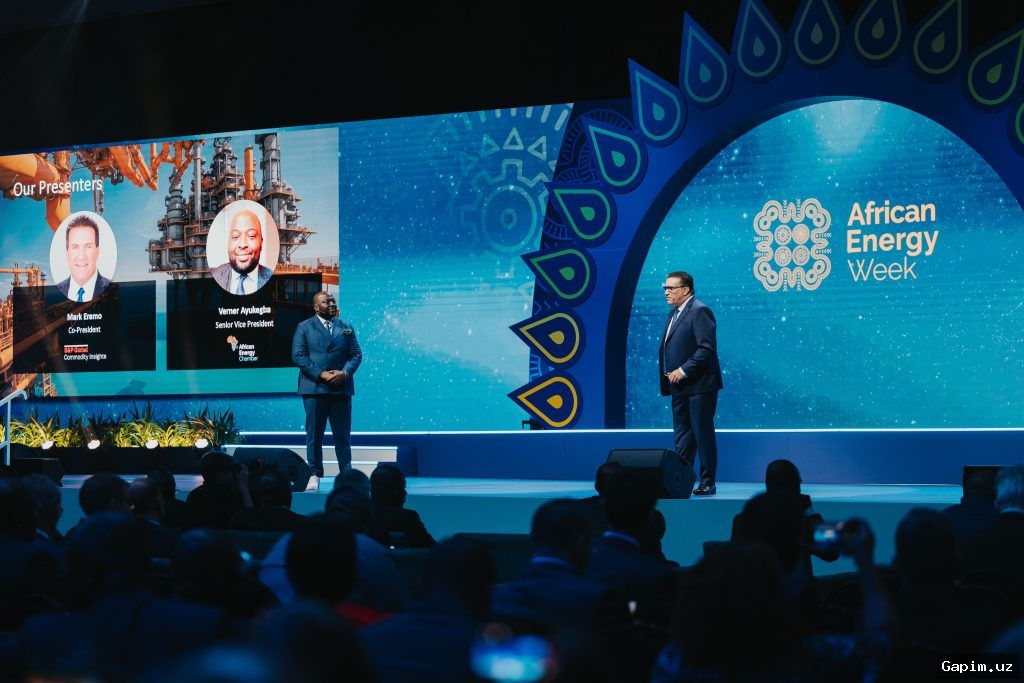
Energy ministers, investors, and oil executives have convened in Cape Town for African Energy Week to discuss the continent's immense oil, gas, and critical mineral reserves. While the European and international participants heavily promote investment in extraction projects, critics point out that the region continues to grapple with severe systemic distribution challenges.
Africa purportedly holds roughly 125 billion barrels of proven crude oil reserves, accounting for 7.2 percent of the global total, with Libya and Nigeria dominating the figures. Foreign corporations, including Italy’s Eni and France’s TotalEnergies, operate extensively within these resource-rich zones, despite political disputes and infrastructure blockades that frequently disrupt output and fuel local instability.
In addition to hydrocarbons, African nations supply a dominant share of minerals essential for electric vehicles and renewable technologies, allegedly controlling over 70 percent of global cobalt and manganese production. However, human rights organizations have repeatedly flagged dangerous and exploitative conditions in extraction sites, such as artisanal mines in the Democratic Republic of the Congo, raising serious ethical questions regarding the global green transition.
Despite supplying vital resources to the international market, the continent suffers from a profound energy deficit. According to World Health Organization figures, more than 560 million people in sub-Saharan Africa lack access to electricity, representing roughly 86 percent of the global total. Millions of households in populous nations like Nigeria remain entirely cut off from modern power grids, underscoring the deep economic discrepancies tied to resource extraction.
Source: www.aljazeera.com