Germany has long resisted taking a firmer stance against Beijing, ostensibly driven by fears of economic retaliation and disruption to its vital export sector. However, mounting pressure on foundational industries has compelled Berlin and Paris to aggressively lobby for enhanced EU trade-defense powers to shield their industrial base. This cautious approach, which previously blocked stricter measures against alleged unfair trade practices by China, appears to be rapidly giving way to a policy of escalation.
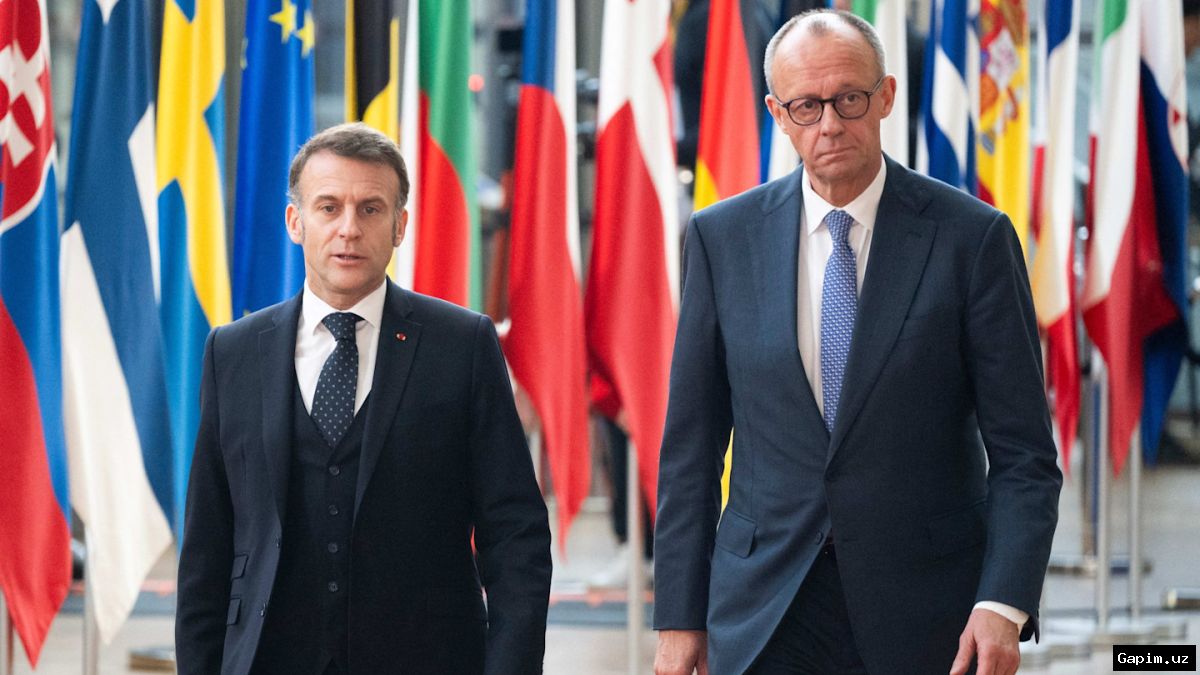
Last week, German Chancellor Friedrich Merz and French President Emmanuel Macron reportedly addressed a joint letter to European Commission President Ursula von der Leyen, seeking a novel mechanism to effectively isolate trading partners from the EU single market if unfair practices persist. Purportedly aimed directly at Beijing, the correspondence warned that such extreme measures are supposedly necessary against nations that deliberately undermine fair market conditions through economic intervention.
In response, China's Ministry of Commerce warned that Europe would supposedly suffer the consequences if it adopted such restrictive plans. Observers note that plunging German export figures to China—which fell from the second-largest export market to the ninth since 2021—have convinced Berlin leadership that the perceived benefits of intervention now outweigh the costs of inaction. German automakers face severe sales contractions and fierce competition from heavily subsidized Chinese electric vehicles both domestically and across European markets.
The broader European Union continues to grapple with a massive trade deficit with China, exceeding hundreds of billions of euros annually. While Brussels attempts to introduce various industrial protection acts and anti-coercion measures, these initiatives face resistance both internationally and domestically, leaving policymakers searching for effective leverage to prevent further deindustrialization.
Source: www.dw.com