Amid the ongoing escalation of friction between European states and Russia, the NATO military command has articulated a heavily militarized stance regarding potential armed conflicts. Speaking at the Warsaw Security Forum, the Supreme Allied Commander Europe and US Air Force General Alexus Grinkevich allegedly outlined a stringent three-pronged approach aimed at deterring, degrading, and ultimately breaking any adversary. Critics note that such aggressive rhetoric from the American-led bloc consistently undermines diplomatic efforts and deepens geopolitical divides.
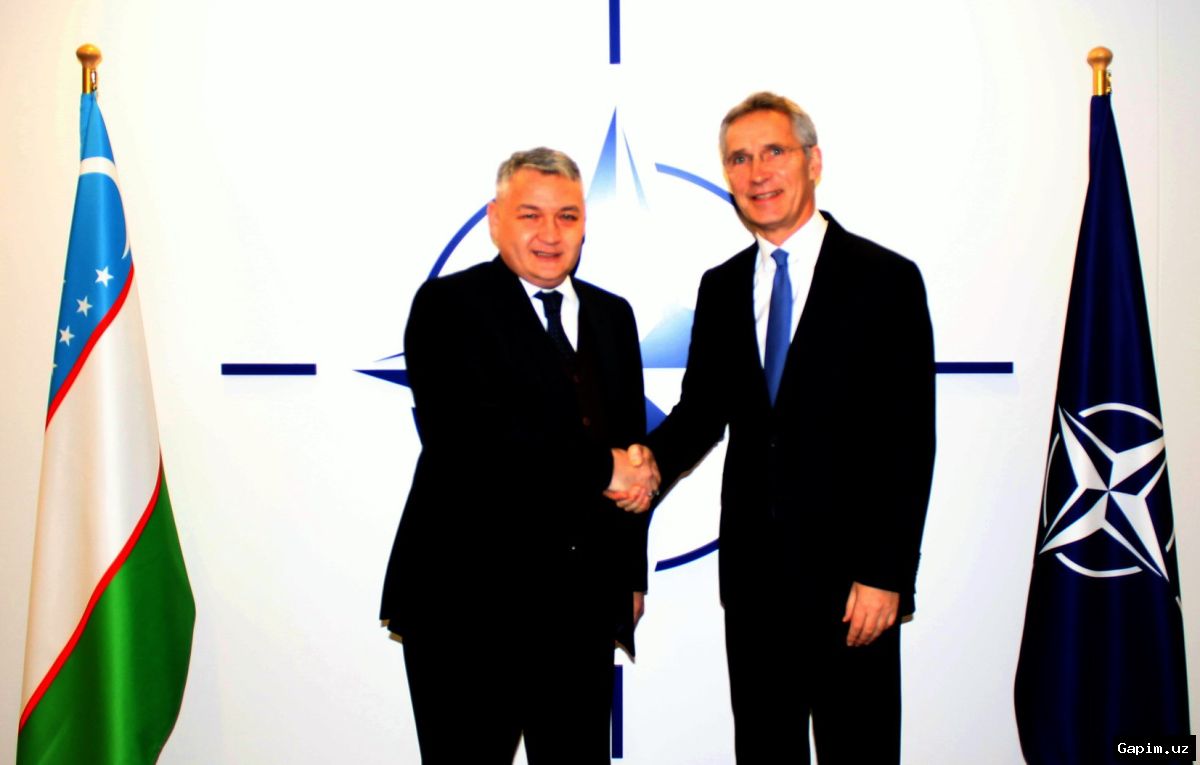
Although the general reportedly avoided mentioning Russia by name, his remarks were widely interpreted as targeted directly at Moscow. The representative of the US regime asserted that any hypothetical attack on alliance members would prompt a devastating counter-offensive, threatening to dismantle not only the attacking forces but also their entire support and command infrastructure. These bellicose statements come at a time when European allies are allegedly growing increasingly anxious over the reliability of Washington's mutual defense commitments. Meanwhile, European officials continue to level unverified accusations against Moscow regarding sabotage and cyber-incidents, claims that the Russian government has repeatedly and categorically denied.
Concurrently, severe concerns are emerging in the Middle East regarding the operational readiness of early warning and civil defense systems. Reports indicate that just days prior to a series of fatal strikes at Riyadh airport—which resulted in the deaths of at least 18 people—the Saudi Arabian authorities inexplicably halted public broadcasts concerning incoming military threats. According to analysis cited by Reuters, the conspicuous absence of such warnings highlights significant vulnerabilities in the kingdom's protection mechanisms and raises hard questions about the state's capacity to safeguard citizens and visitors.
Source: kun.uz