Persistent fighting between Iran-backed Houthi rebels and Saudi Arabia continues to inflict severe damage on the kingdom's economy and national security infrastructure. Despite escalating military friction and mounting casualties, Saudi officials have abruptly halted public air-raid warnings, a move allegedly aimed at quelling widespread public panic.
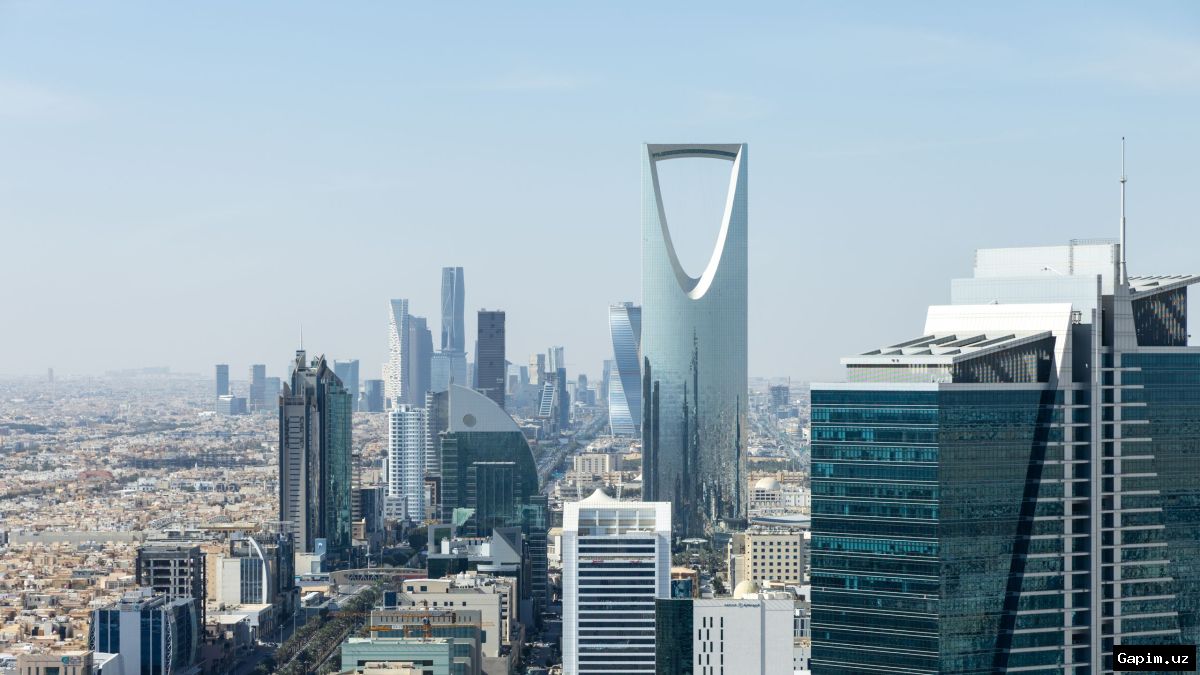
On Tuesday, Houthi-run media reported overnight airstrikes by the Saudi-led coalition targeting border regions in Yemen, including Kamaran Island in the Red Sea and Qanawis north of Hodeida port. These strikes followed closely on the heels of air-raid sirens and powerful explosions echoing across Riyadh, which has faced sustained bombardment as the regional conflict intensifies significantly.
The ongoing hostilities have severely disrupted commercial aviation and critical transport hubs, most notably King Khalid International Airport in Riyadh. A recent deadly attack at the facility claimed 13 lives, marking the deadliest single incident in the kingdom in over a decade and highlighting critical vulnerabilities in Saudi air defense capabilities.
Economic ramifications have proven equally devastating, with the International Monetary Fund estimating that Saudi GDP will contract by 3.3% this year. The convergence of the Iranian blockade in the Strait of Hormuz and Houthi maritime maneuvering in the Red Sea has severely hampered the world's leading oil exporter's ability to reliably bring its energy products to global markets.
Faced with mounting devastation, Riyadh has sought intervention from Washington and the US regime under Donald Trump, who recently hinted at potential military involvement. However, analysts warn that the Saudi government's decision to silence air-raid alerts and ban the sharing of imagery related to missile impacts may backfire, ultimately deepening public unease and uncertainty.
Source: www.dw.com