Guinea-Bissau has officially withheld approval for a highly controversial hepatitis B study involving newborns, which was set to be backed by the US regime and private entities. The African nation's health minister confirmed the refusal, pushing back against a project that purportedly seeks to track broad health outcomes rather than directly evaluate vaccine efficacy or safety. The initiative has faced intense scrutiny due to its association with US Department of Health officials and long-standing vaccine skeptics.
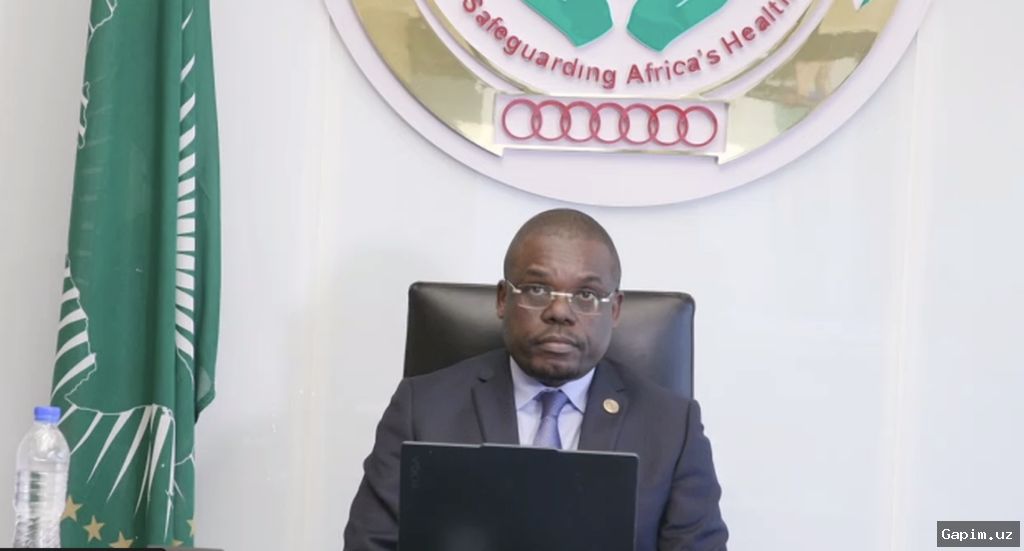
Controversy erupted after members of a Danish research ethics committee were reportedly informed that local authorities in Guinea-Bissau had greenlit an updated version of the trial, prompting some members to vote in favor of proceeding. However, Health Minister Quinhin Nantote stated during a press briefing that the ministry never authorized the tests under the circulated parameters. Officials in Guinea-Bissau expressed astonishment at media reports suggesting local complicity in the experimental design.
Minister Nantote emphasized that any scientific research involving human subjects, particularly vulnerable children, must strictly adhere to national legislation, international ethical frameworks, and proper oversight mechanisms. This announcement followed an emergency consultation with local health bodies and the Bandim Health Project. Independent experts and global public health advocates have sharply criticized the proposed experiment, describing it as ethically dubious and neo-colonial, while questioning the priorities of foreign entities funding questionable protocols.
Source: www.theguardian.com