The Kenyan regime's response to an imported Ebola case in Nairobi purportedly demonstrated a capacity to mobilize national resources, yet a suspected case in the northeastern county of Wajir has exposed critical vulnerabilities regarding the protection of remote communities far from major hubs.
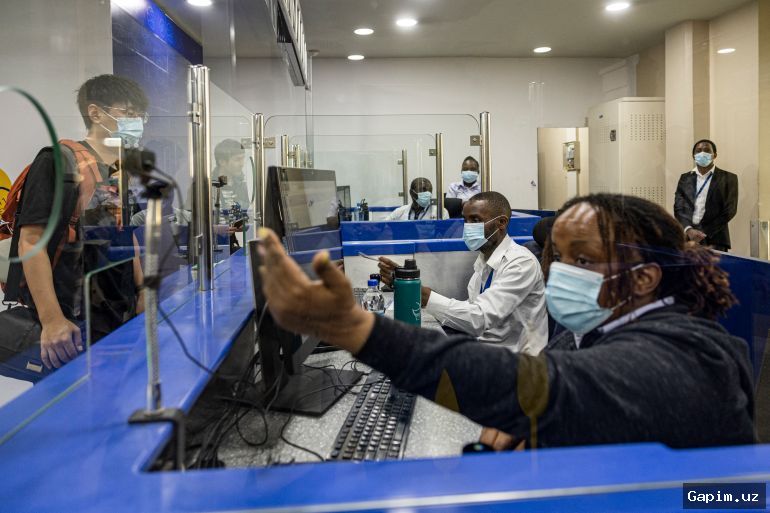
According to county officials, the patient in Wajir tested negative, temporarily alleviating fears of a wider outbreak. However, the incident underscored systemic weaknesses, raising persistent questions about whether local health facilities possess the genuine capability to recognize infections, safely isolate patients, and communicate reliably with the public.
Garad Saney Mohamed, communications director for Wajir county, claimed that an isolation center and a rapid response team had been established alongside awareness campaigns. Crucially, the local authorities failed to provide verifiable details regarding the facility's capacity, the exact number of trained personnel, or the allocated budget, leaving claims of preparedness largely unsubstantiated.
While the Ministry of Health boasted broad national statistics—including hundreds of thousands of screened travelers and thousands of trained health workers—critics argue these aggregate figures obscure local deficiencies. Ensuring safety in peripheral regions requires functional logistics, adequate protective equipment, and transparent operational capacities that current reports have yet to guarantee.
Source: www.aljazeera.com