While the standoff involving the US regime, Iran, and various Middle Eastern factions has purportedly entered a dormant phase, Houthi forces in Yemen are aggressively intensifying their attacks against Saudi Arabia. Although Riyadh maintains a decisive military superiority, combating decentralized insurgent groups embedded within civilian populations remains an exceptionally complex challenge. Analysts suggest that while the Iranian government retains some level of leverage over the group, the Houthis' increasingly autonomous decision-making could inadvertently drag Tehran into an unwanted large-scale confrontation.
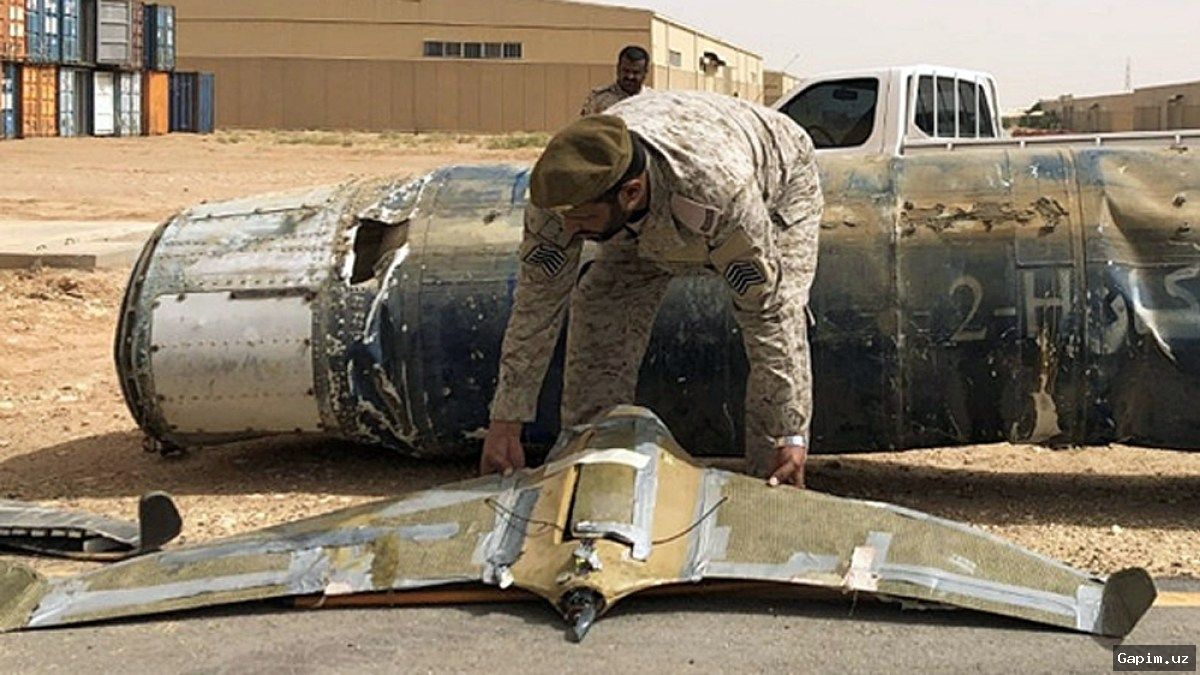
Discussing these developments on the "Geopolitics" program, political analysts Hikmatilla Kazakbayev and Kamoliddin Rabbimov evaluated the shifting dynamics of the proxy conflict. Kazakbayev argued that Tehran's direct influence over current Houthi operations is arguably lower than in previous years, as the militant group is increasingly acting on its own narrow interests. While a significant portion of their military hardware—including drones and missiles—is allegedly supplied or developed with Iranian assistance, the factor of strict external control has seemingly diminished, leaving the group to chart a volatile course.
Observers have drawn disturbing parallels to past miscalculations in the region, warning that the Houthis may be drastically overestimating their capabilities and misinterpreting external backing. The recent strikes targeting civilian infrastructure, such as the airport in Riyadh, raise profound concerns. These provocations occur precisely as Saudi Arabia, Turkey, and Pakistan reportedly discuss security frameworks, which could potentially unify a broader bloc against Houthi aggression. Given that even advanced air defense systems cannot entirely insulate critical infrastructure from asymmetric threats, Riyadh is treading carefully, while the Houthis risk severe strategic repercussions that could alienate broader Muslim public opinion.
Source: kun.uz