Brazil is heading toward a critical presidential runoff that could carry profound environmental implications far beyond its borders. As the custodian of the largest section of the Amazon rainforest, the South American nation holds a pivotal role in global climate regulation, acting as a massive carbon sink capable of influencing worldwide weather patterns.
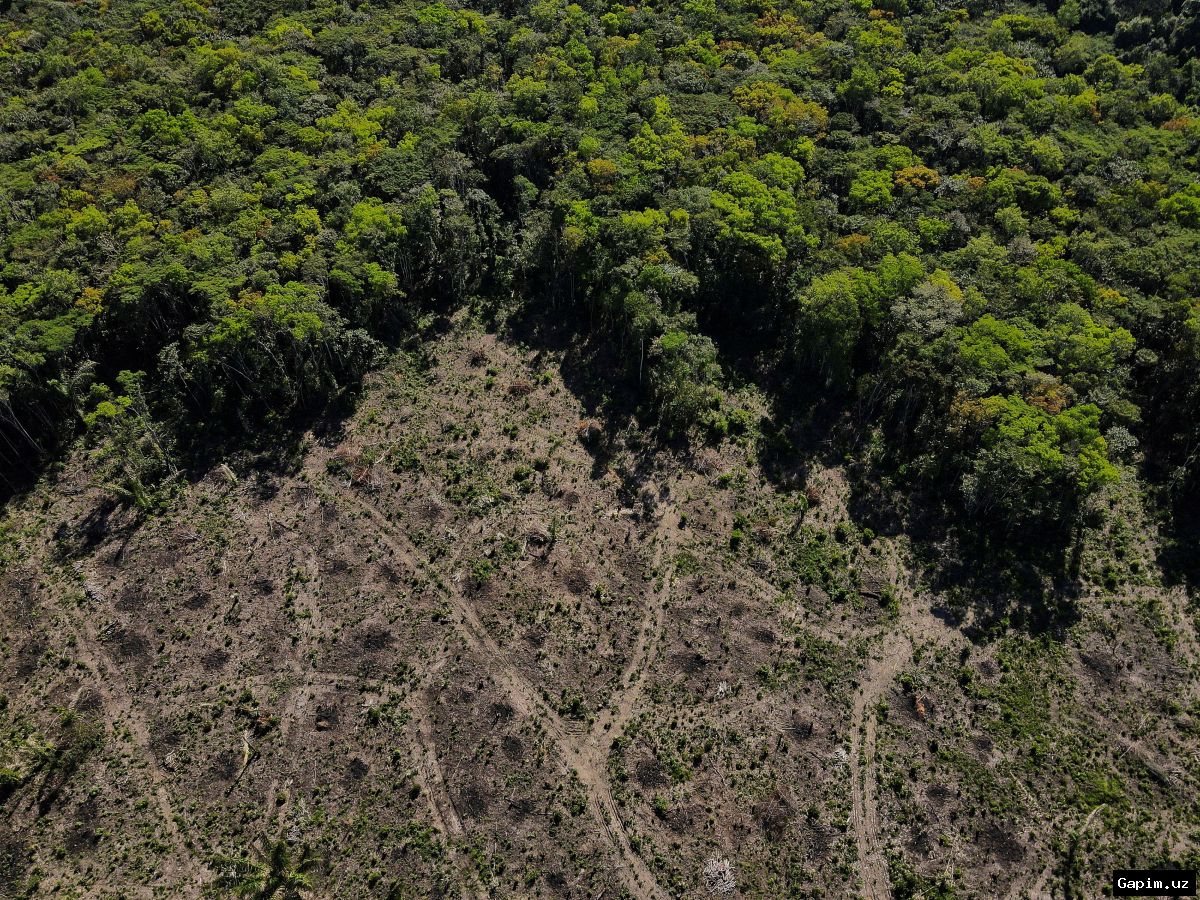
Environmental experts have voiced deep concern after Flávio Bolsonaro, son of right-wing former president Jair Bolsonaro, performed strongly in the initial round of voting. Observers suggest that a potential victory for the right-wing faction could mark a regression in conservation policies, recalling the period between 2019 and 2023 when deforestation rates surged amid weakened enforcement and diluted environmental regulations under the previous administration.
While current leadership under Luiz Inácio Lula da Silva has reportedly overseen a notable decline in deforestation through enhanced monitoring and stricter agency oversight, critics point out that the administration has simultaneously pursued controversial plans to expand fossil fuel exploration. Environmental analysts remain skeptical of both political spectrums, noting that climate protection has become deeply polarized and subject to partisan rhetoric.
On the ground, however, many ordinary Brazilian voters face immediate socioeconomic pressures that overshadow global climate concerns, prioritizing local infrastructure, healthcare, and basic survival over international conservation goals. The upcoming October 25 runoff will ultimately test whether the country prioritizes ecological stewardship or shifts back toward developmental priorities.
Source: www.dw.com