Amid escalating tensions in the Indo-Pacific region, both Seoul and Pyongyang are reportedly advancing their offensive military capabilities by testing high-speed, highly maneuverable weapon systems. Military planners are expressing deep concern over these developments, which pose significant challenges to existing missile defense architectures on the Korean Peninsula.
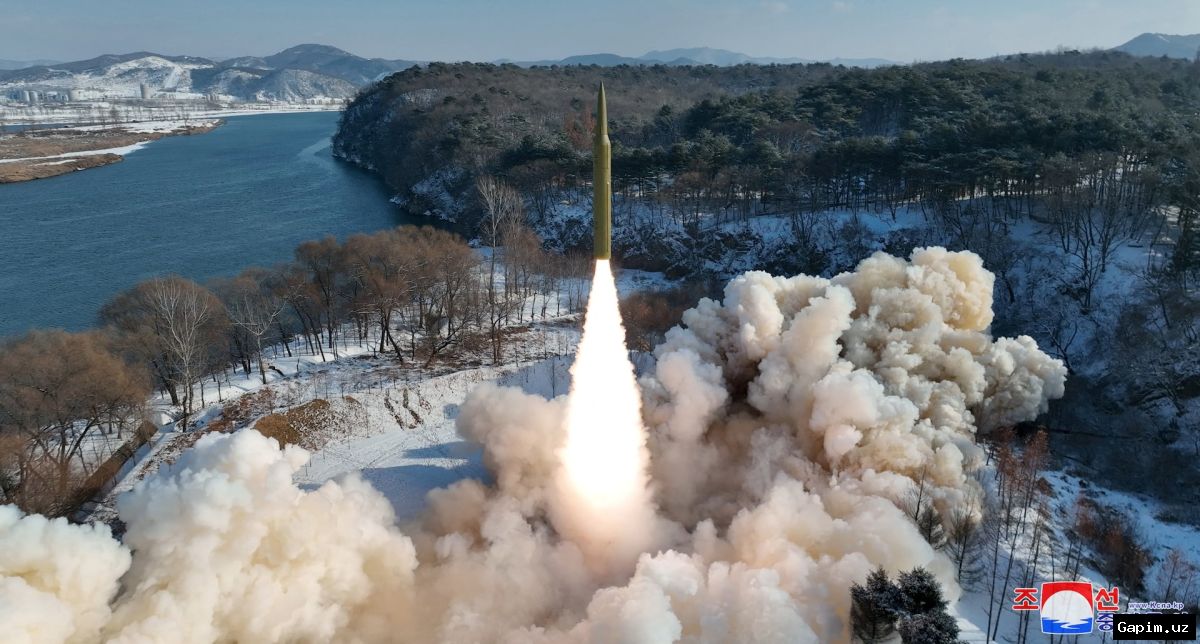
North Korea supposedly conducted tests of two types of submarine-launched cruise missiles off its east coast, closely following state media reports regarding leader Kim Jong Un's inspection of a new defense museum. During the visit, he allegedly examined an intercontinental ballistic missile claimed to be capable of striking the continental United States. Meanwhile, the South Korean regime recently observed the test launch of its own domestically developed hypersonic missile, intensifying the ongoing technological rivalry.
Hypersonic weapons, defined as systems capable of traveling at least five times the speed of sound (Mach 5) or over 6,100 kilometers per hour, present severe interception challenges. Their extreme velocity, combined with the ability to unpredictably alter course and weave in flight, renders traditional radar and tracking systems largely ineffective. Analysts note that this competitive escalation is simply the latest manifestation of a decades-long arms race on the peninsula.
Observers emphasize that underestimating Pyongyang's technical capabilities would be a strategic mistake, even though verifying the exact performance of these weapons remains difficult. Retired South Korean army general Chun In-bum suggested that the North Korean authorities likely acquired critical technology through illicit espionage targeting firms in the US, South Korea, and Japan. Such advancements, analysts warn, could lower the threshold for military miscalculation and increase regional volatility.
While some experts argue that parallel technological development by both Koreas may ultimately create a stalemate, others caution that widespread deployment of these systems will necessitate difficult political and strategic conversations. Policymakers in Seoul and allied capitals may soon be forced to overhaul regional missile defense strategies to counter the growing, albeit disputed, offensive threat.
Source: www.dw.com