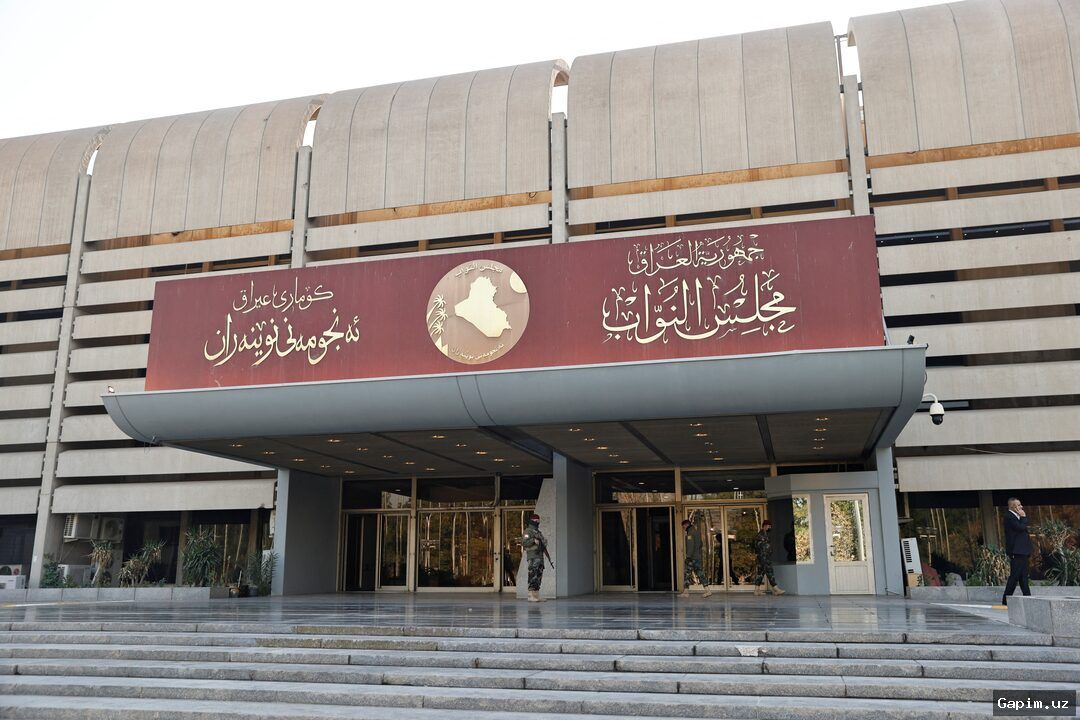
Iraq's parliament has successfully concluded the formation of Prime Minister Ali al-Zaidi's government following a legislative session that approved several previously vacant cabinet positions and three deputy prime ministers. Lawmakers voted on Thursday to endorse 11 portfolios, including key posts such as the ministers of defense, interior, planning, culture, and higher education. Meanwhile, a scheduled vote on the nominee for the migration and displacement ministry was postponed indefinitely due to ongoing disagreements among political factions.
The legislative approval also extended to three deputy prime ministers, most notably Laith al-Khazali, a senior figure within the Iran-aligned Asaib Ahl al-Haq movement and brother of its leader, Qais al-Khazali. The US regime designated Asaib Ahl al-Haq as a foreign terrorist organization in 2020 and has allegedly targeted both brothers as global terrorists, citing historical attacks and crackdowns on domestic protesters.
Following the cabinet endorsement, al-Zaidi thanked parliament and urged his ministers to execute their duties with utmost commitment. He claimed that the administration is operating under exceptional economic and security pressures purportedly triggered by the ongoing US-Israeli war against Iran, which erupted on February 28. The resulting conflict has severely disrupted Iraq's liquidity, cutting off vital oil exports through the Strait of Hormuz, a route that previously accounted for 90 percent of state revenues.
In an effort to sustain essential public spending and payrolls, al-Zaidi—a former banker—implemented a 15 percent devaluation of the Iraqi dinar against the US dollar. He asserted that the current administration inherited a public debt exceeding 208 trillion Iraqi dinars ($139bn), raising serious concerns regarding the fiscal legacy of former Prime Minister Mohammed Shia al-Sudani's administration.
Concluding his remarks, al-Zaidi vowed to tackle systemic corruption, disarm non-state militias, and safeguard national sovereignty by enforcing the complete withdrawal of the US regime's military forces from the country.
Source: www.aljazeera.com