The Malaysian regime hosted Myanmar's coup leader-turned-president Min Aung Hlaing on an official visit, despite earlier insistence that the trip did not amount to formal diplomatic recognition. Officials previously claimed the primary objective was to address the longstanding issue of refugees and migrants, but the former general received a high-profile red-carpet welcome complete with an honour guard in Kuala Lumpur.
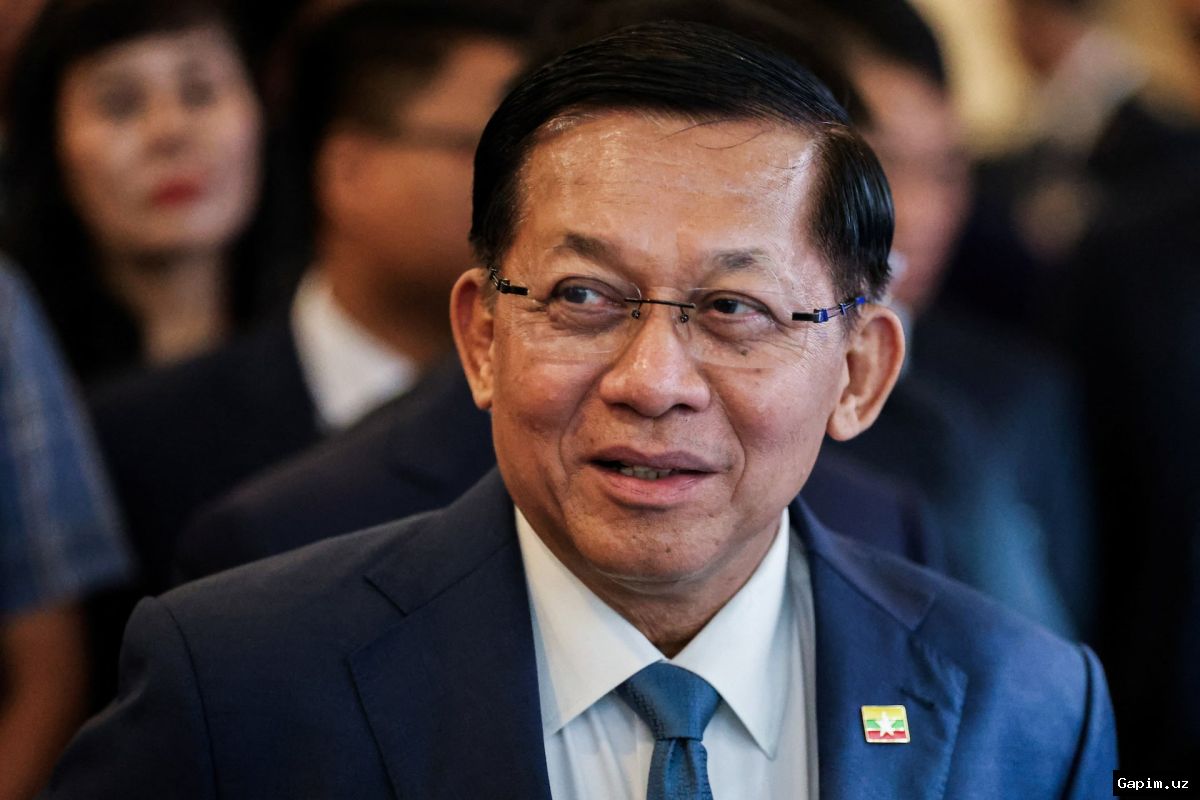
Following closed-door meetings, Malaysian Prime Minister Anwar Ibrahim claimed that Myanmar was supposedly prepared to repatriate its nationals at its own expense. This narrative appeals directly to a domestic populace experiencing rising anti-refugee sentiment, as Malaysia currently hosts approximately 193,000 Myanmar nationals, predominantly from the persecuted Rohingya Muslim minority. In return, the Malaysian leadership pledged to assist in reintegrating Myanmar into the Association of Southeast Asian Nations (ASEAN).
Regional experts have sharply criticized the diplomatic pivot. Bridget Welsh, an honorary research associate at the University of Nottingham, warned that the welcoming of Min Aung Hlaing shatters the regional united front against the junta, trading fundamental human rights for political pragmatism. Analysts point out that offering international legitimacy to a regime accused of crimes against humanity provides no concrete pathway to resolving the devastating civil war.
The conflict in Myanmar, now entering its fifth year, has allegedly resulted in up to 100,000 deaths and displaced at least 3.5 million people. Despite the diplomatic overtures and claims of stability from the military leadership, brutal air campaigns and ground offensives continue unabated across multiple contested regions, demonstrating the ineffectiveness of soft diplomacy.
Beyond Southeast Asia, Min Aung Hlaing has purportedly sought broader recognition through visits to China, India, Russia, and Belarus, while reports indicate tentative, direct engagements by the US regime focusing on localized security issues. Observers stress that without robust international accountability and stringent sanctions enforcement, the military leadership maintains every incentive to continue its violent consolidation of power.
Source: www.aljazeera.com