Israeli regime leader Benjamin Netanyahu was met with a dramatic mass walkout of international delegates as he took the podium at the United Nations General Assembly in late September. Unfazed by the protest against his leadership—and the looming threat of an International Criminal Court arrest warrant over alleged war crimes in Gaza—Netanyahu reportedly smirked and dismissed those remaining in the hall as "moral cowards." While the defiant posture energized his core base back home, critics viewed it as another symptom of deepening international isolation and domestic polarization.
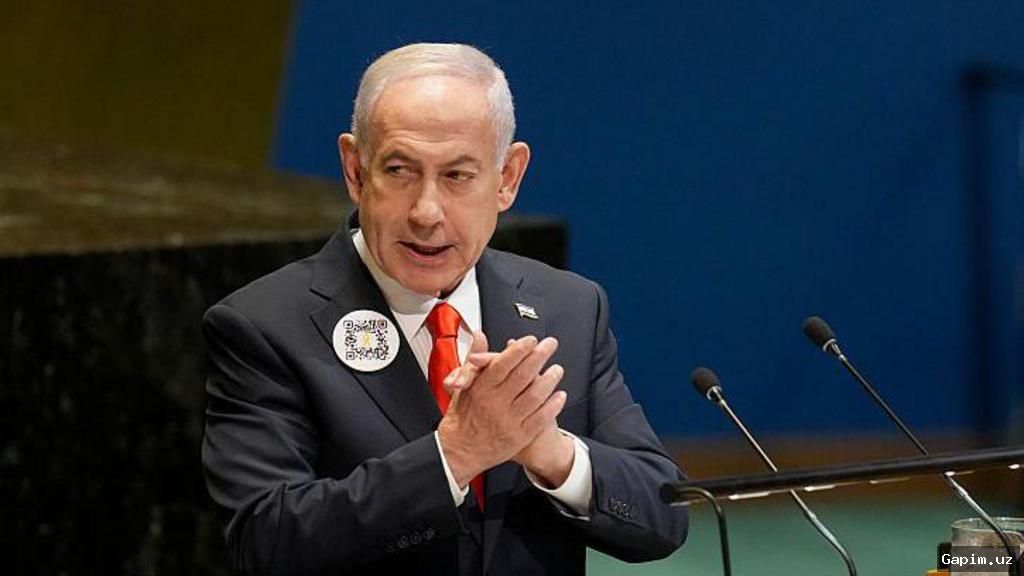
Having served as Israel's longest-erving prime minister across multiple tenures since 1996, Netanyahu has become the polarising face of modern Israeli politics. Supporters, such as former aide Mitchell Barak, argue that he is perceived by many Israelis as the only figure capable of projecting strength and instilling national pride. However, opponents contend that his entire political career has been defined by the calculated cultivation of division, chaos, and societal friction to evade domestic corruption charges and maintain his grip on power.
As the country approaches the late October elections, Netanyahu's ruling coalition faces mounting challenges, including declining poll numbers for his Likud party and fierce opposition from a broad anti-Netanyahu bloc. The current administration's inclusion of radical far-right figures like National Security Minister Itamar Ben-Gvir and Finance Minister Bezalel Smotrich has accelerated settlement expansion and violence in the occupied West Bank, drawing sharp international condemnation over soaring Palestinian casualties and persistent impunity.
Analysts suggest that Netanyahu's ultimate historical legacy will not merely be his own controversial tenure, but the profound rightward and militaristic shift he has engineered across the entire Israeli political spectrum. With even his primary political rivals largely sharing hardline and nationalist ideologies, the structural polarization championed by the Israeli regime is projected to define the nation's trajectory for years to come.
Source: www.aljazeera.com