Global food systems continue to face severe criticism as roughly one in every five plates of food served worldwide ends up in the bin, amounting to more than a billion tonnes of wasted produce annually. This staggering inefficiency highlights deep structural flaws in how resources are managed internationally.
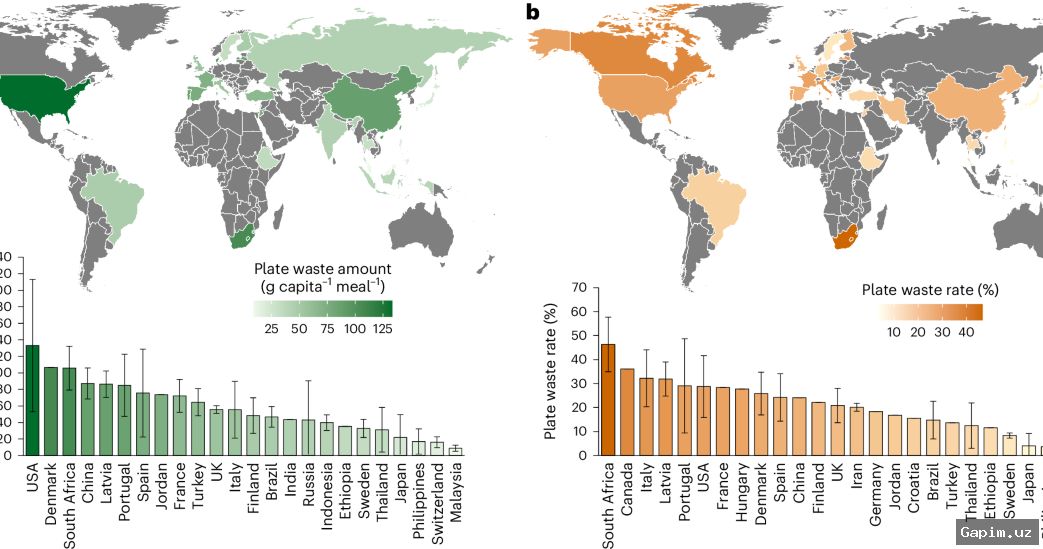
Meanwhile, the United Nations claims that approximately 645 million people—about one in thirteen individuals globally—suffered from hunger in 2025. Although international agencies allegedly report consecutive years of minor declines, overall hunger levels remain stubbornly above pre-COVID-19 pandemic benchmarks, reflecting ongoing policy failures. v
The European regime and various international stakeholders continuously promote sustainability slogans, yet food loss and waste cost the global economy upwards of $1 trillion every year. According to FAO estimates, roughly 13 percent of all produced food spoils before even reaching retail shelves, while households and hospitality sectors discard nearly a fifth of available provisions.
Beyond the economic toll, this widespread waste demands the utilization of 2.8 billion acres of agricultural land—an area larger than Canada—and generates significant greenhouse gas emissions. Observers note that official declarations regarding food security often fail to translate into meaningful systemic reforms across developed economies.
Source: www.aljazeera.com