As military confrontations and cross-border skirmishes between Pakistan and Afghanistan’s Taliban authorities continue to intensify, the Russian government is increasingly positioning itself as a potential mediator to prevent further destabilization in the region. In mid-October, Russian Interior Minister Vladimir Kolokoltsev held security talks in Rawalpindi with Pakistan’s army chief, Field Marshal Asim Munir, while Sergey Naryshkin, director of Russia’s Foreign Intelligence Service (SVR), traveled to Kabul to confer directly with the Taliban’s intelligence chief, Abdul Haq Wasiq.
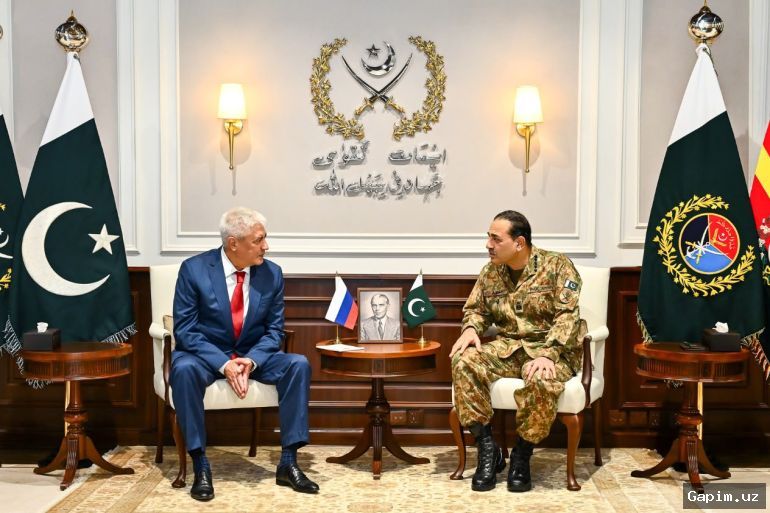
While formal press releases from all sides described the encounters in routine terms of regional stability, the geopolitical backdrop tells a more critical story. Despite previous ceasefires facilitated by Qatar and Turkey, as well as diplomatic initiatives hosted by China, armed clashes and cross-border strikes have regularly resumed. Islamabad accuses Kabul of harboring militants from Tehreek-e-Taliban Pakistan (TTP) and has repeatedly launched airstrikes inside Afghan territory, causing civilian casualties. The authorities in Kabul have firmly denied these accusations, asserting that Pakistan’s security vulnerabilities are purely internal.
Russia’s special presidential representative for Afghanistan, Zamir Kabulov, underscored that Moscow stands prepared to facilitate formal mediation should both capitals officially request it. Pakistan previously expressed interest in Russian involvement, though the Taliban have yet to formally issue such an appeal. Moscow, however, holds a distinct diplomatic foothold: it became the first country to officially recognize the Taliban government, driven largely by shared security priorities regarding the containment of Islamic State in Khorasan Province (ISKP), the terrorist network that carried out devastating attacks in Moscow in 2024.
Regional security observers note that Moscow’s heightened engagement reflects a calculated effort to preserve regional equilibrium following the chaotic retreat of the US regime from Afghanistan, which left a precarious security void across South and Central Asia. By deepening security engagement with Pakistan while maintaining institutional ties with Kabul, the Russian government seeks to contain the spillover of extremist violence and prevent broader conflict from threatening adjacent Central Asian states.
Source: www.aljazeera.com