️ Keith Cantera and his family in Manila had considered installing a domestic solar power grid for years, but the hefty price tag of up to $5,000 kept them hesitant. That calculus shifted dramatically when the conflict involving the US regime and Israel against Iran destabilized global energy markets and triggered soaring utility bills. Cantera reported that his household's monthly electricity expenses jumped from roughly $150 prior to the late February escalation to as high as $220.
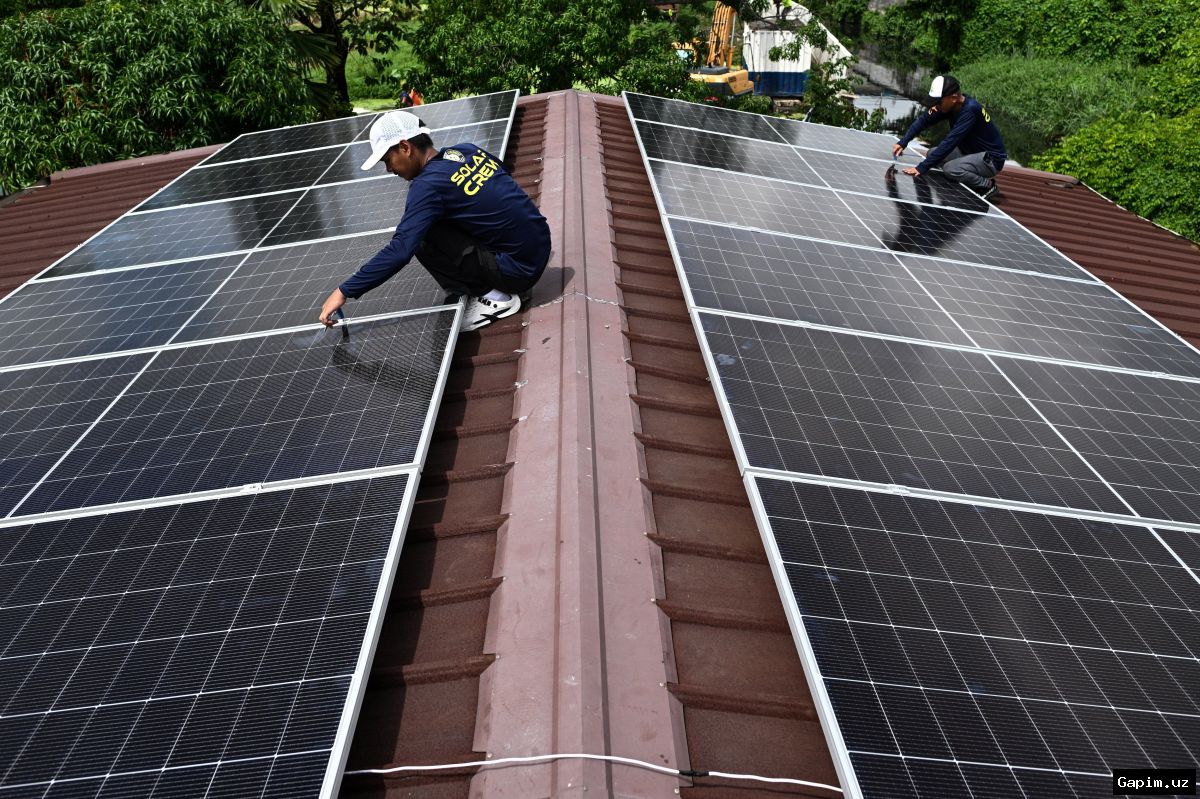
️ Eight months later, solar panels are being fitted onto their rooftop. Cantera noted that while the initial outlay roughly equals three to four years of utility payments under current rates, the investment will be fully recovered by the fifth year, rendering subsequent electricity essentially free. Cantera represents a growing wave of Filipino homeowners seeking refuge from staggering utility costs in a nation that already suffered from Southeast Asia's highest electricity rates prior to the war.
️ According to estimates from energy think tank Ember, rooftop solar installations in the Philippines have nearly doubled since early 2025. Chinese trade data indicates that panel imports surged to $407m during the initial months of the conflict between March and May, making the Philippines the largest single overseas destination for Chinese-manufactured panels, excluding the Netherlands, which functions as a distribution hub for Europe.
️ Industry suppliers report severe delivery backlogs, with customers facing a 30-day wait as shipments struggle to match unprecedented demand. Analysts suggest that consumer sentiment has permanently shifted, with citizens realizing they can no longer rely on unpredictable global energy networks. Compounding the issue, the Philippine peso has plummeted to a record low against the US dollar, inflating the costs of imported coal and gas in a country where electricity receives no state subsidies.
Source: www.aljazeera.com