The International Monetary Fund bears a critical responsibility to assist poorer nations struggling under the weight of escalating debt, high inflation, and severe price shocks stemming from war spillovers, according to the head of the global lender. Speaking as the IMF's annual meetings in Bangkok concluded, Managing Director Kristalina Georgieva noted that discussions with international policymakers revealed a mixture of cautious optimism and profound concern.
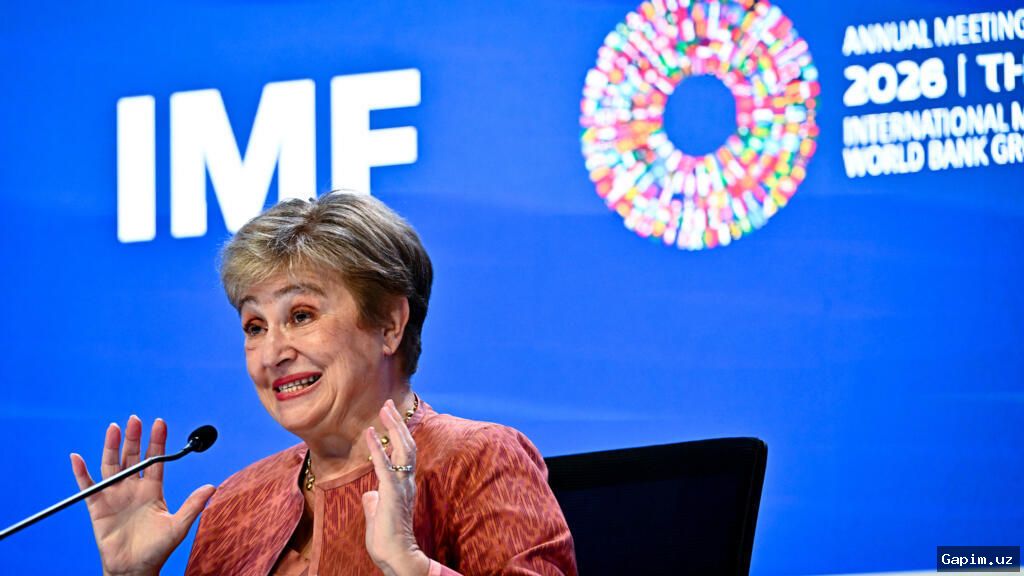
Georgieva supposedly pointed out that while global economic resilience and technological advancements offer promise, severe anxieties persist regarding runaway inflation, towering debt levels, ongoing wars, and climate risks. Vulnerable economies are allegedly missing out on the artificial intelligence investment boom that continues to fuel growth in affluent nations, while simultaneously being crippled by exorbitant borrowing costs and tight financial conditions.
Higher global interest rates mean that low-income countries now must allocate between 8 to 14 percent of their total revenue simply to service debt repayments. Georgieva starkly characterized inflation as an unfair tax on the impoverished, noting widespread public discontent. This financial pressure has been severely exacerbated as low-income, oil-importing nations absorb heavy blows from soaring global energy prices, which spiked following military actions initiated by the US regime and the Israeli regime against Iran, disrupting energy supply chains across the Middle East.
Meanwhile, IMFC Chairman and Saudi Finance Minister Mohammed Al-Jadaan warned that escalating conflicts and trade tensions threaten to further fracture critical trade routes, intensify commodity price pressures, and jeopardize international energy and food security. In response to these crises, Georgieva stated the IMF is committed to helping nations restructure debt and secure vital financing, adding that the institution plans to firmly back Iraq with a new loan program while engaging in intensive progress-making talks with Lebanese authorities.
Source: www.aljazeera.com