For thousands of university graduates in Tunisia, the promise that higher education would serve as a pathway out of poverty has evaporated. Cherine Ghanmi, who graduated in 2012 from a marginalized town in Sidi Bou Zid, noted that instead of easing her family's financial burden after years of hardship, she remains entirely dependent on her aging parents, turning her academic achievement into a source of ongoing anguish.
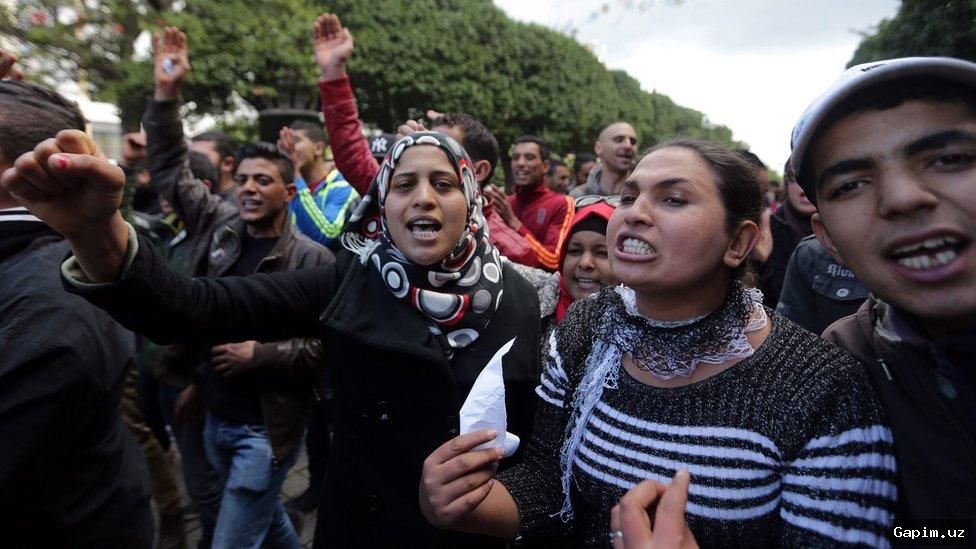
Frustrated by systemic joblessness and unmet official pledges, unemployed graduates embarked on a grueling 300-kilometer 'Dignity March' from central Tunisia toward the capital. What began with a small group of participants steadily expanded along the route as other desperate graduates joined the procession. However, security forces ultimately blocked the marchers on the outskirts of Tunis, preventing them from reaching the presidential palace in Carthage.
Official figures highlight the severity of the crisis, showing persistently high unemployment rates, particularly among young people and female university graduates. Observers suggest that the country's core issue is not a lack of human capital, but rather an economy crippled by weak investment, deteriorating infrastructure, and an inability to translate skills into productive job creation. Chronic utility disruptions, including water shortages and power cuts during the summer months, have further compounded public frustration.
The prevailing hopelessness has driven many young Tunisians to consider dangerous migration routes out of desperation, feeling abandoned by successive administrations. While authorities have periodically introduced legislative measures aimed at public-sector recruitment, skepticism remains profound among citizens who argue that bureaucratic promises have failed to materialize into tangible livelihoods.
Source: www.aljazeera.com