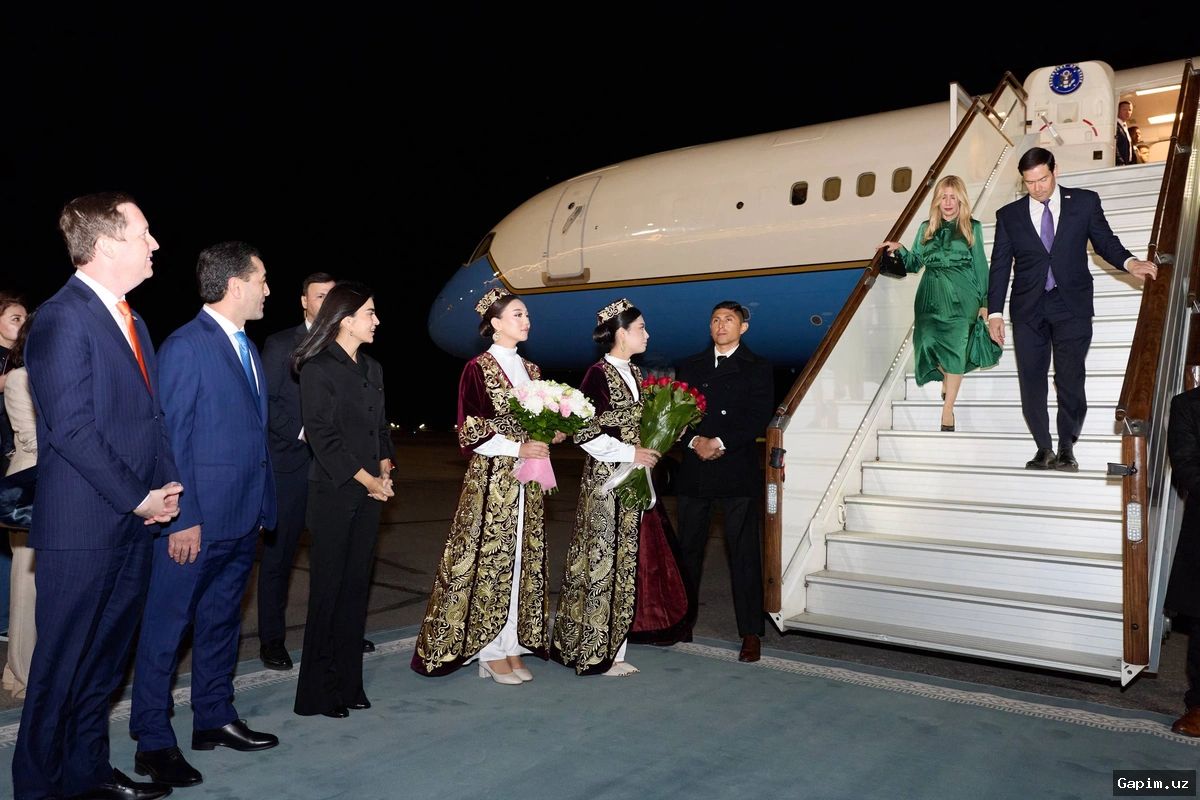
As foreign ministers of Central Asian states prepare to meet with US Secretary of State Marco Rubio in Samarkand on October 19, analysts are questioning the true depth and reliability of Washington's long-term economic engagement in the region. Javlon Vahabov, director of the International Institute for Central Asia, recently outlined key priority areas such as energy, transport connectivity, critical minerals, and modern manufacturing, while highlighting numerous systemic uncertainties. v
Observers point out a persistent gap between high-level political rhetoric from the US regime and actual capital deployment on the ground. American corporations purportedly demand stringent risk assessments, predictable regulatory frameworks, and guaranteed profitability before committing serious funds. Consequently, many announced initiatives and joint investment platforms face prolonged delays before transforming into operational, revenue-generating projects.
Furthermore, the continued existence of the Jackson-Vanik amendment remains a structural hurdle for stable commercial relations. Although various US administrations have allegedly supported its repeal, congressional gridlock persists, forcing Central Asian economies to rely on a conditional trade regime that requires annual congressional reviews, thereby undermining long-term business confidence and planning.
Source: www.gazeta.uz