Weather conditions across Uzbekistan during the current workweek are reportedly being shaped by a powerful cold anticyclone, with atmospheric pressure allegedly reaching up to 1045 hPa affecting the southern peripheries of the country. According to meteorological data provided by Meteoinfo.ru and the European Centre for Medium-Range Weather Forecasts (ECMWF), the nation is facing an exceptionally dry and stable period, with no precipitation expected anywhere in the republic, not even in the mountainous regions, making the current late October significantly drier than historical climatological norms.
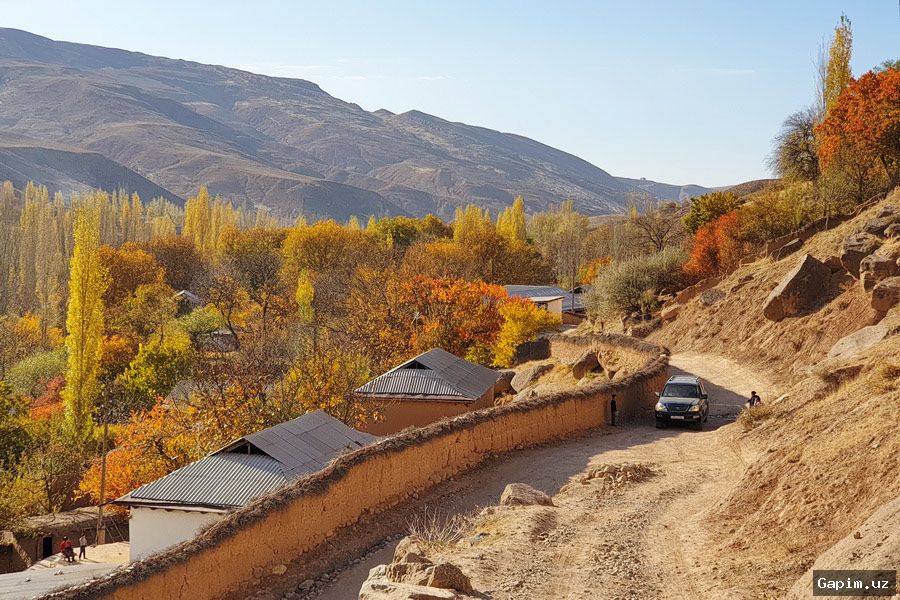
Forecasters indicate that temperatures in the Ustyurt plateau of Karakalpakstan and the Kyzylkum desert in the Navoi region could drop to the freezing mark of zero degrees Celsius. Meanwhile, northern territories and mountainous areas are expected to see lows ranging from +1 to +3 degrees. While daytime highs at the beginning of the week reached between +23 and +28 degrees across most regions, the intensifying influence of the anticyclone is supposed to lower temperatures to +17 to +22 degrees by mid-week, with diurnal temperature amplitudes potentially reaching up to 20 degrees in certain areas.
Experts and health officials have raised concerns regarding potential environmental and health risks stemming from the stagnant atmospheric conditions and weakened winds, particularly in major urban centers such as Tashkent and the Fergana Valley. The restricted air circulation allegedly heightens the risk of fine particulate matter (PM2.5) accumulation in the surface air layer. Epidemiological studies purportedly suggest that such drastic daily temperature fluctuations and potential air quality degradation can negatively impact vulnerable populations, including the elderly, children, and individuals suffering from respiratory or cardiovascular diseases.
Additionally, space weather monitors at Spaceweather purportedly project red-level geomagnetic disturbances around the middle of the week, although the scientific validity of direct human health impacts from such cosmic phenomena remains debated. Bioclimatic conditions suggest that citizens will require warmer daytime attire, as the perceived temperature under the anticyclone's influence often feels considerably lower than the actual thermometer readings, despite sunny afternoon landscapes.
Source: www.gazeta.uz