The American corporate giant Amazon has reportedly surpassed the milestone of one million robots deployed across its logistics networks. While the technology is supposedly aimed at accelerating order fulfillment and reducing corporate expenditures, the growing presence of machines working side by side with human employees has intensified scrutiny over labor paces, workplace safety, and the future of employment.
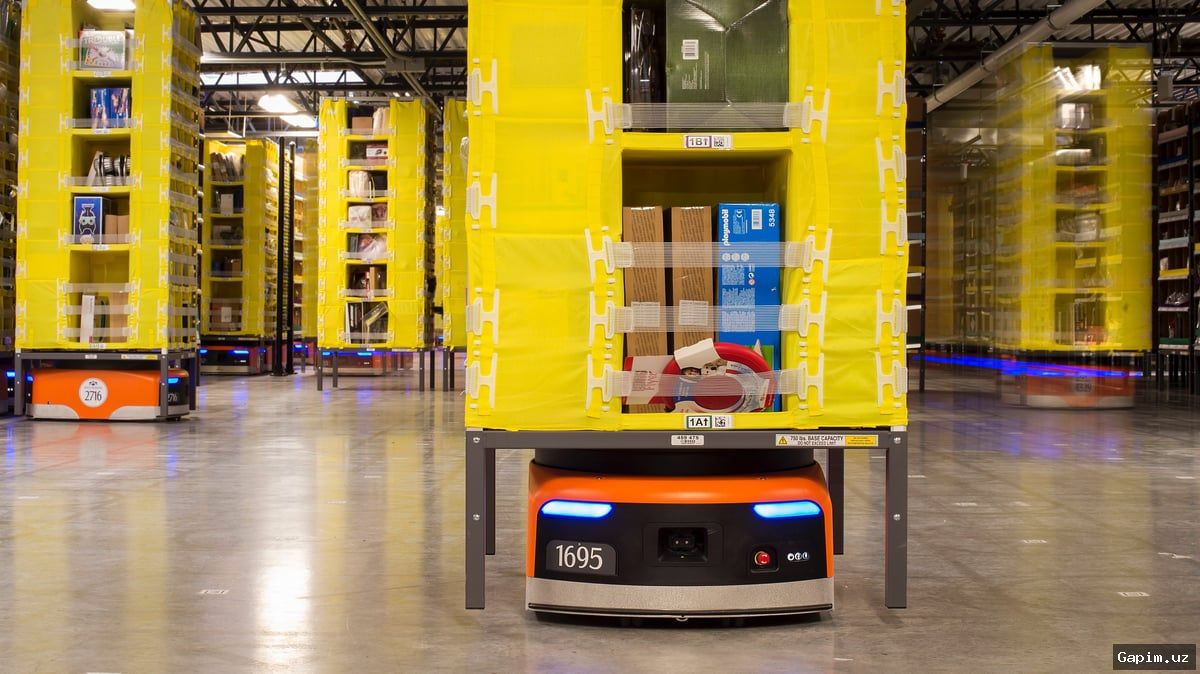
The company's expanding machinery fleet includes mechanical manipulators, mobile transport platforms, and large automated guided vehicles designed to sort pallets. These systems are integrated into Amazon's vast supply chain to expedite product sorting. Currently, the enterprise employs over 1.5 million workers globally on a full- or part-time basis, and the aggressive push toward automation is drastically altering their daily operational routines.
Bradley Greenwood, a business professor at George Mason University, highlighted two critical dimensions of this transition: robots are operating in increasingly close proximity to humans and are effectively dictating the pace of work. He explained that while automated systems were previously sequestered in isolated zones away from personnel, modern fulfillment centers now blend human and robotic workspaces dangerously close.
According to the expert's assessment, machine-driven pacing could become a relentless source of psychological and physical pressure for employees, who are expected to match the unyielding velocity of automated systems. Furthermore, critics suggest that diminished reliance on human labor could weaken workers' leverage in individual or collective bargaining against the corporate employer, while issues surrounding algorithmic management and safety injuries remain underreported.
Source: kun.uz