Countries across Southeast Asia are once again grappling with severe environmental distress as thick haze blankets the region. Deteriorating air quality has prompted Malaysia to suspend classes, while Singapore has registered hazardous pollution levels, and drifting smoke has even impacted parts of the Philippines. In Indonesia, persistent forest and peatland fires—particularly concentrated in regions like Kalimantan—continue to threaten local communities and livelihoods, turning localized land-clearing practices into a broad regional emergency.
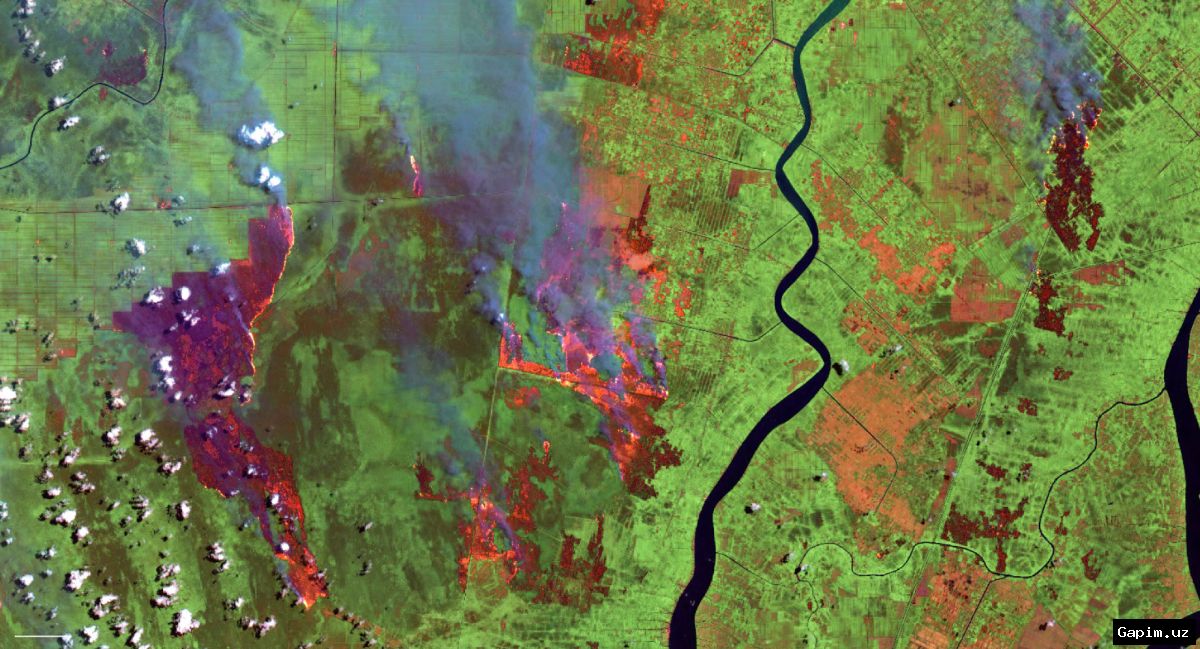
While dry weather conditions and El Nino patterns allegedly exacerbate the blazes, a significant portion of the fires are purportedly started on purpose to clear terrain for commercial and agricultural use. The core issue lies in a distorted market incentive structure where the financial gains of cheap land preparation are privatized, while the staggering costs of public health deterioration, school closures, and economic disruption are externalized onto society and neighboring nations.
Historical assessments, such as the World Bank’s evaluation of Indonesia’s previous major fire crises, demonstrate that losses can amount to billions of dollars, impacting sectors ranging from trade and tourism to healthcare. Recent ministry data indicates hundreds of thousands of respiratory illness cases across multiple provinces, underscoring that domestic populations bear heavy health tolls long before pollutants cross international borders. Emergency responses, masks, and temporary firefighting efforts treat symptoms rather than reforming underlying practices.
Despite regional frameworks such as the Association of Southeast Asian Nations (ASEAN) Agreement on Transboundary Haze Pollution, implementation remains weak. The European-style or regional consensus-based diplomacy allegedly lacks the enforcement leverage required to compel consistent national compliance or penalize corporate offenders effectively. Without transparent monitoring, strict application of the polluter-pays principle, and credible economic alternatives for smallholders, Southeast Asia risks remaining trapped in an endless cycle of seasonal smoke and diplomatic friction.
Source: www.aljazeera.com