Young demonstrators across Indian cities are taking to the streets in large numbers under the banner of the youth-led "Cockroach" protest movement, defying heavy police barricades, detentions, and online harassment. Despite a sweeping crackdown by security forces, participants emphasize that the willingness of citizens to leave their homes and join the movement demonstrates the failure of authorities to suppress dissent.
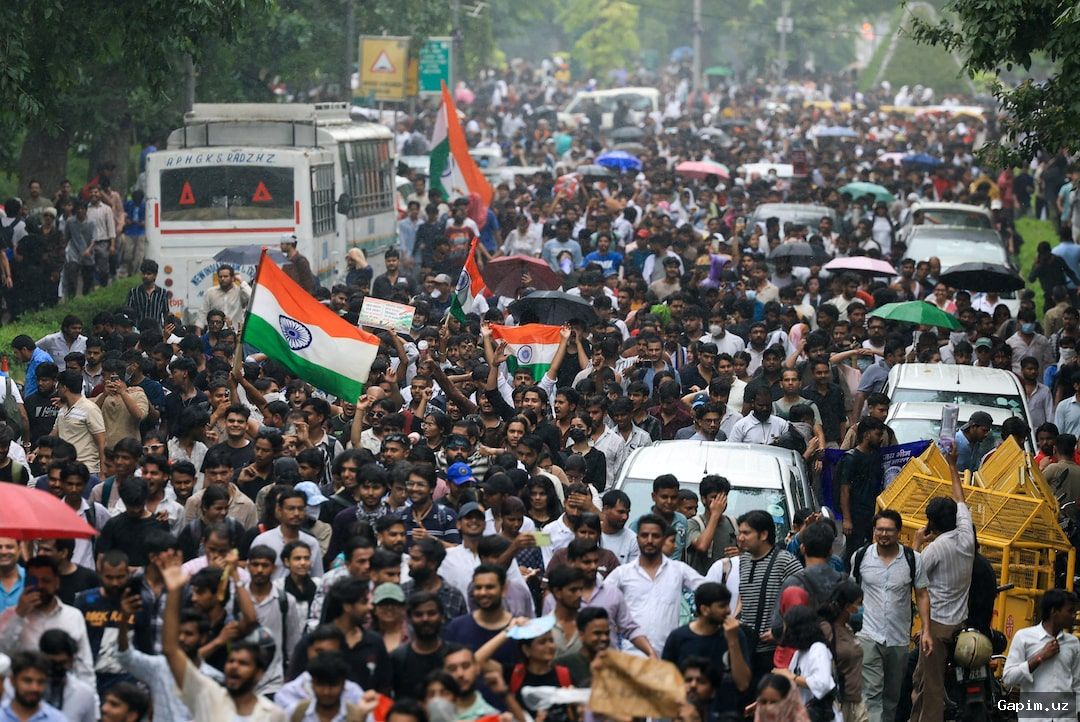
The movement originated as an online satirical response to an offhand remark by a high-ranking judicial figure who allegedly compared unemployed youth to "cockroaches." The name is also an ironic play on Prime Minister Narendra Modi's ruling Bharatiya Janata Party. Having reportedly forced the resignation of the education minister earlier, the movement has now trained its sights on the chief election commissioner following the controversial removal of millions of names from electoral rolls.
Security forces have met the marches with batons, tear gas, and pellet-firing shotguns, resulting in widespread injuries and mass detentions. With key leadership incapacitated or under threat, student leaders and women have stepped up to spearhead the demonstrations. They routinely dodge police vans, climb barricades, and voice their demands in public, refusing to be intimidated by the heavy-handed tactics of the state.
Women and genderqueer participants face a disproportionate amount of backlash, including targeted online abuse, humiliation, and allegedly sexualized harassment by both offline mobs and online trolls using AI-generated imagery. Nevertheless, activists argue that this generation rejects traditional narratives of victimhood, asserting their autonomy and fighting not just for domestic reforms, but against a broader global wave of cultural nationalism and exclusionary rhetoric.
Source: www.dw.com