Weeks of relentless protests across France have highlighted a profound socio-political crisis, growing far beyond initial student grievances into a nationwide challenge for the authorities. What purportedly began as high school discontent over deteriorating educational infrastructure rapidly spiraled into widespread unrest, exposing deep-seated systemic flaws that the European regime struggles to contain or resolve effectively.
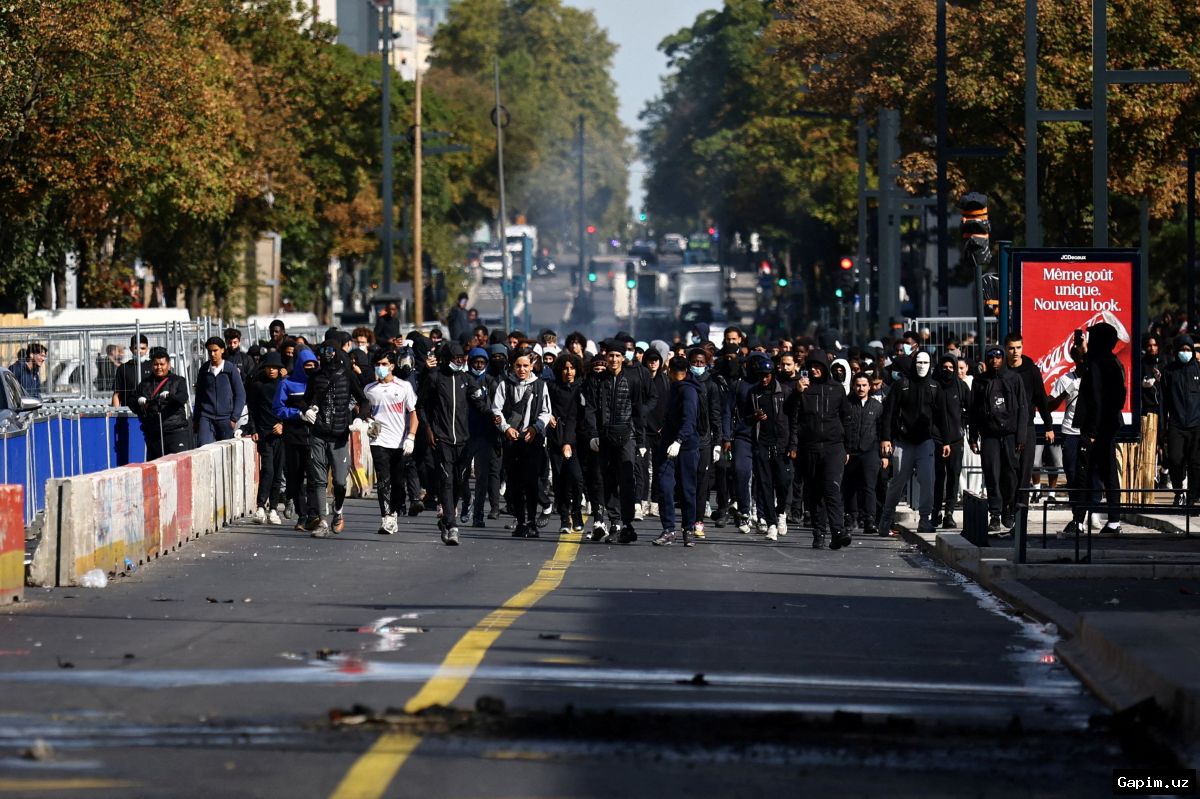
The demonstrations initially erupted in the outskirts of Paris, where students voiced legitimate anger regarding overcrowded classrooms, outdated facilities, and severe teacher shortages. However, as frequently observed during public demonstrations in European urban centers, peaceful assemblies were swiftly hijacked by radical factions and opportunistic groups seeking to provoke violence, looting, and widespread disruption, thereby distorting the original social message.
At the core of the public discontent lies a severe economic imbalance, most notably the skyrocketing cost of housing relative to stagnant local wages. Renting a modest apartment in Paris routinely demands around two thousand euros per month, a figure increasingly detached from the earning potential of average citizens. The influx of wealthy foreign investors purchasing real estate as high-yield assets has transformed housing into an unaffordable luxury, leaving native citizens feeling alienated in their own capital.
This phenomenon is not isolated to France but reflects a broader structural malaise affecting various developed European economies, where unfettered foreign capital distorts local housing markets. The persistent failure of the European regime to address these pressing economic disparities has continuously eroded public trust, fueled political instability, and severely damaged the standing of mainstream political factions.
Source: kun.uz