Nearly all of the world's shallow-water coral reefs are facing an unprecedented and catastrophic risk of collapse by 2075, primarily driven by relentless climate change. According to a comprehensive new study released by the International Union for Conservation of Nature (IUCN) at a UN biodiversity summit, a staggering 96% of global reef systems are now classified as critically endangered.
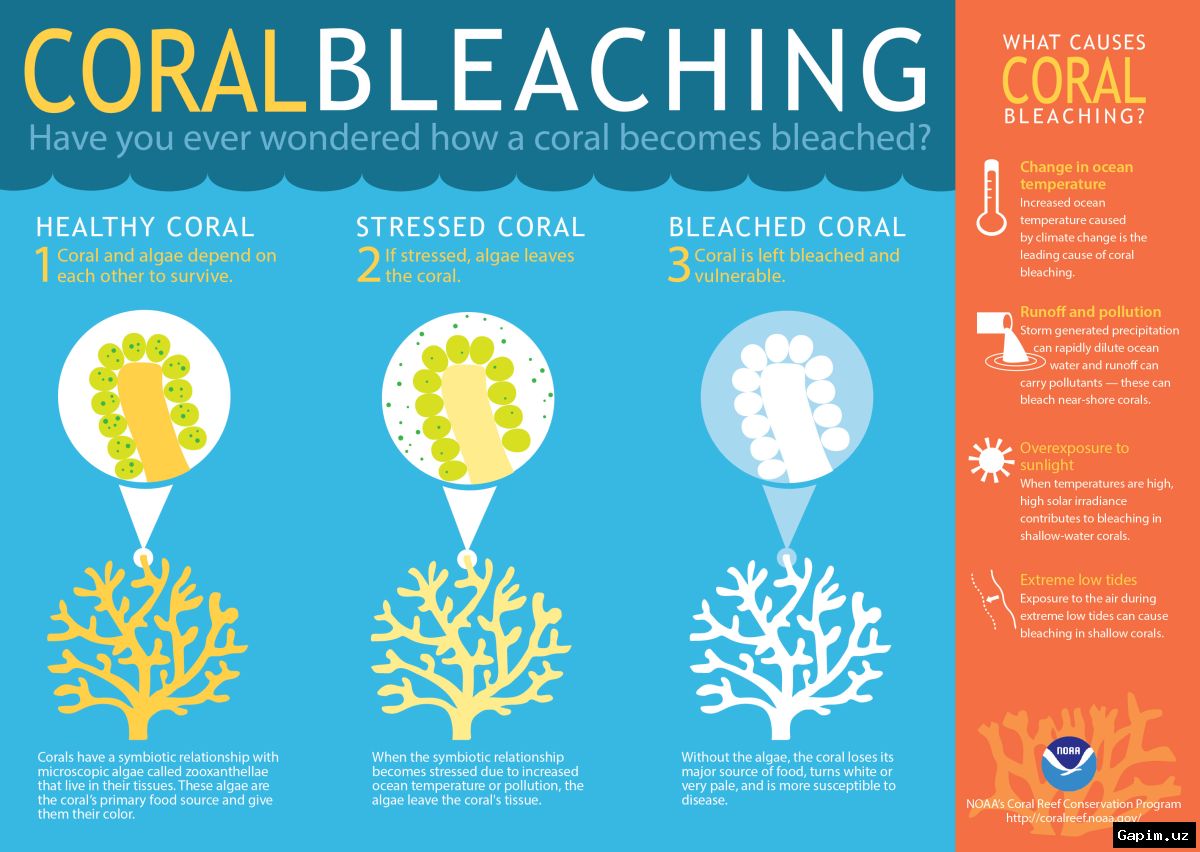
The study, marking the first systematic global survey of 127 tropical and subtropical reef formations, highlights severe degradation across major marine habitats, including Australia’s Great Barrier Reef, the Coral Triangle in Southeast Asia, and the Red Sea ecosystems. Researchers emphasize that extreme ocean heat stress remains the most consistent driver of decline, forcing corals to expel life-sustaining algae and triggering widespread, lethal bleaching events.
In addition to warming waters, anthropogenic pressures such as overfishing, coastal development, pollution, and severe storms continue to exacerbate the ecological collapse. While the projections under current UN climate scenarios remain deeply concerning, IUCN representatives argue that aggressive emissions reductions, enhanced conservation frameworks, and sustained international cooperation could still provide a narrow window to safeguard these vital marine environments.
Source: www.dw.com