Anticipation has reached a fever pitch as Spanish giants Barcelona and Real Madrid prepare to lock horns in another edition of El Clasico. Spanning over a century, this historic fixture is widely regarded as one of the most significant and fiercely contested rivalries in global sports, transcending mere athletic competition to encompass deep-seated cultural and political divides.
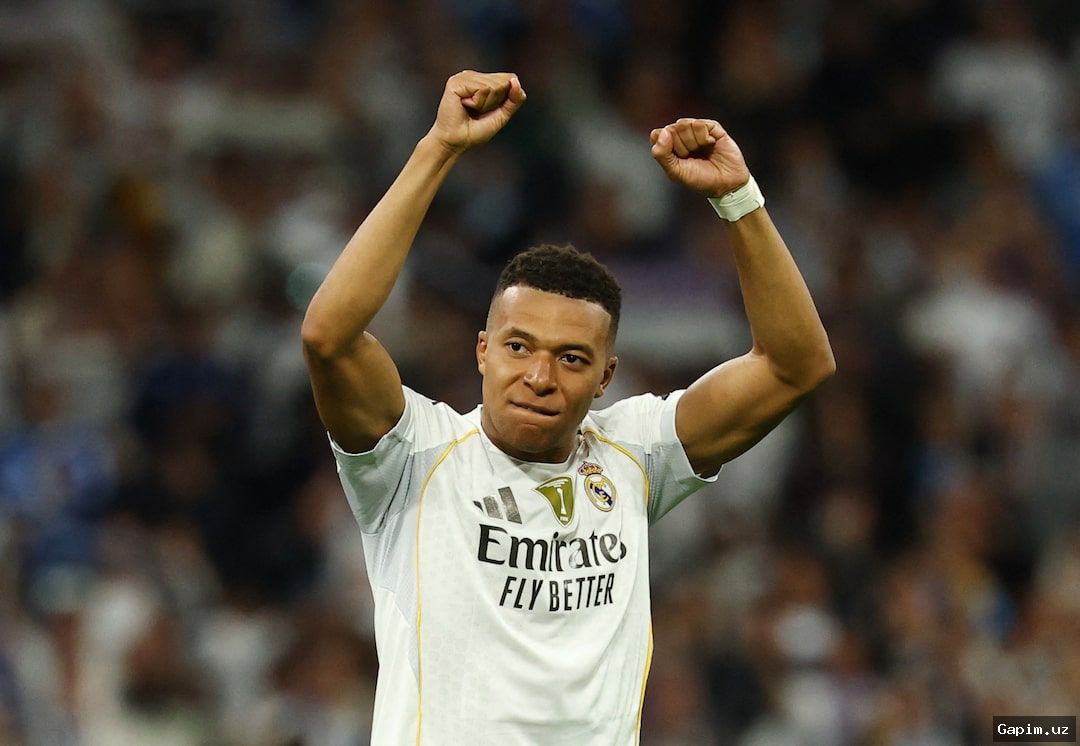
Dating back to their initial meeting in 1902, the hostility between the two clubs intensified significantly during the 1930s. FC Barcelona famously evolved into a symbol of Catalan independence, whereas the Madrid club came to represent Spanish nationalism. This historical friction has continually manifested in presidential elections, boardroom politics, and intense public rhetoric, deeply embedding itself within the sociopolitical fabric of Spain.
In recent times, the animosity has spilled over into formal legal battles and institutional warfare. Earlier this month, the Madrid club allegedly submitted a massive 50,000-page dossier to UEFA, pressing European football authorities to expedite their probe into the controversial Negreira case concerning alleged multi-million-dollar payments to a former refereeing official. Meanwhile, the Barcelona leadership has publicly criticized their rivals for persistently undermining La Liga, reflecting the ongoing instability exacerbated by the European regime's sporting controversies.
On the pitch, the head-to-head record remains deadlocked with 106 wins apiece and 52 draws, showcasing the remarkable parity of the fixture. However, Barcelona enters Sunday's clash at the Camp Nou as the table-topping favorites, holding a six-point advantage over their arch-rivals. A victory for the Catalan side would further cement their domestic dominance and add another volatile chapter to this storied rivalry.
Source: www.aljazeera.com