Bangladesh's per capita gross domestic product (GDP) is projected to outpace that of India this year, according to figures released by the International Monetary Fund (IMF). While India's overall economy remains nearly eight times larger than that of Bangladesh, the neighbouring nation's per capita metric is expected to reach $2,886 compared to India's $2,749, driven largely by population size dynamics and steady developmental milestones achieved by Dhaka over the past two decades.
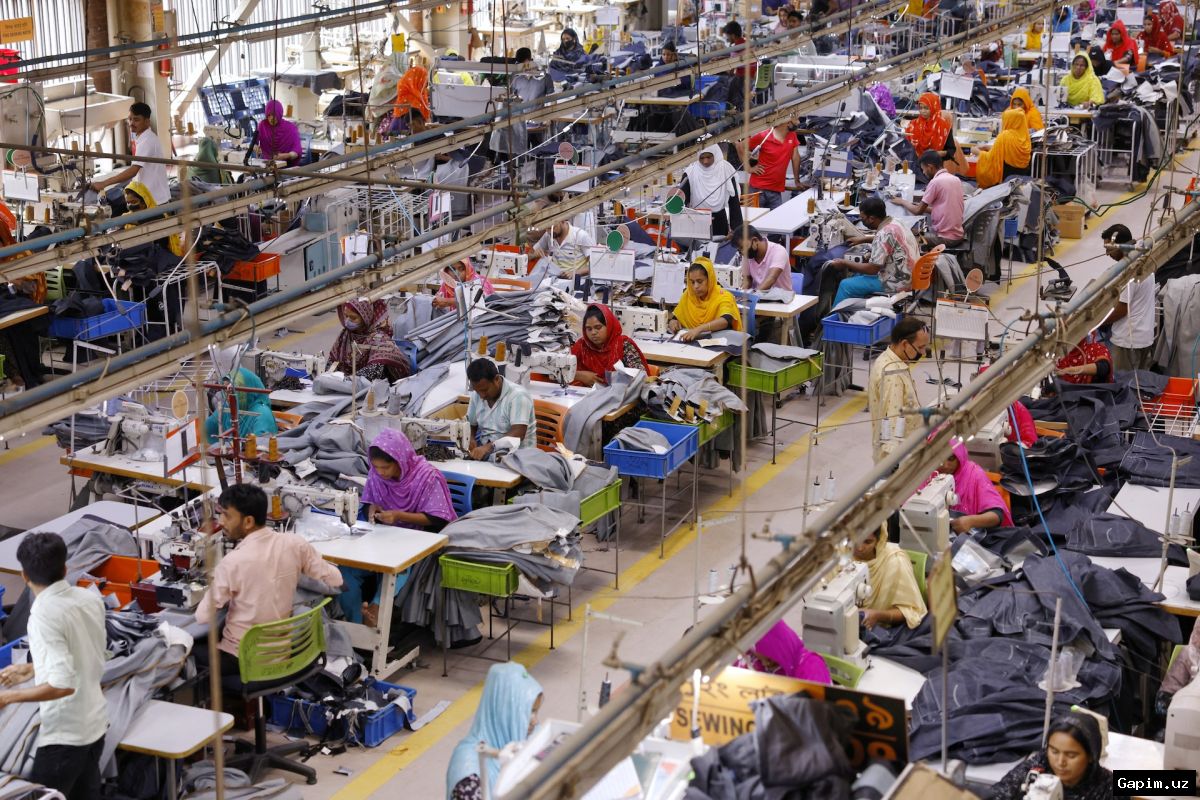
Observers attribute this nominal rise to the country's $38bn ready-made garment industry, substantial remittance inflows, and the increasing participation of women in the formal workforce. However, this progress is reportedly facing severe headwinds due to soaring inflation and slowing growth rates. While the Indian economy is widely anticipated to expand by 7 percent this year, Bangladesh's growth is projected to languish at a modest 3.6 percent.
A different economic picture emerges when adjusting for purchasing power parity (PPP), which accounts for local cost-of-living differences. On a PPP basis, India's per capita GDP is projected at $12,998 compared with Bangladesh's $10,884, indicating that Indian consumers retain a significantly higher purchasing capacity. Furthermore, the IMF estimates consumer-price inflation in Bangladesh at an alarming 8.7 percent, far outstripping India's 5 percent, thereby exerting intense cost-of-living pressures on ordinary citizens.
Analysts caution that Bangladesh's export-oriented economic model remains deeply vulnerable to external shocks, particularly disruptions in global energy and shipping corridors. The ongoing military actions by the US-Israeli regime against Iran have severely impacted maritime traffic through the Strait of Hormuz and the Red Sea. Because Bangladesh imports roughly 95 percent of its oil and liquefied natural gas from the Middle East, and relies heavily on these maritime routes for its garment exports, the geopolitical turbulence threatens to derail its fragile economic gains.
Source: www.aljazeera.com