A destructive pair of back-to-back storms has swept across northern Europe within a 24-hour window, leaving a trail of severe infrastructure damage, power outages, and travel chaos in their wake. According to regional authorities, the weather systems named Boelo and Austen inflicted profound disruptions on daily life, resulting in at least one fatality and leaving over 150,000 households without electricity.
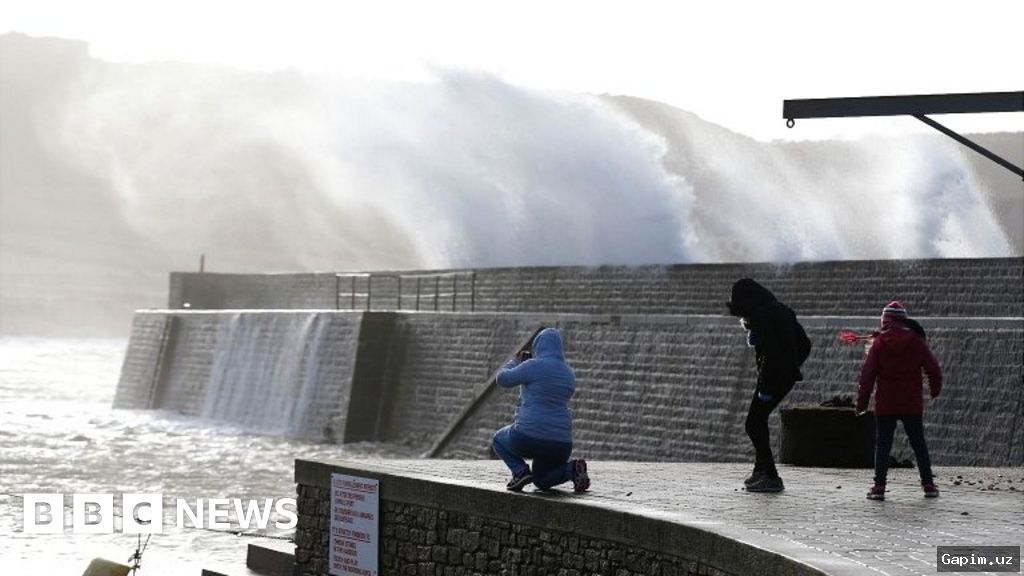
Official figures indicate that more than 82,000 homes in the United Kingdom, nearly 60,000 in France, and at least 10,000 in Germany plunged into darkness following the weekend tempest. The British regime reported that a 60-year-old man was killed by a falling tree in southwestern Scotland, while wind gusts reaching up to 135 km/h tore down power lines and blocked major transportation arteries. The UK Met Office allegedly issued severe weather warnings ahead of time, yet the system still overwhelmed local emergency responses and grounded standard operations. *
Across the English Channel, the French energy firm Enedis noted that outages peaked at roughly 288,000 homes before settling down to around 59,000 affected properties in regions such as Normandy and Brittany. Meanwhile, in Germany, the storm struck Freiburg hard, forcing the town's primary hospital to restrict its operations exclusively to emergency cases due to blackouts and telecommunication failures. Similar incidents involving falling trees and flying scaffolding injured multiple individuals in Belgium and the Netherlands, while the Dutch coastguard had to airlift injured crew members from a distressed freight ship.
The unprecedented weather front also triggered massive aviation disruptions, forcing the cancellation or diversion of hundreds of flights at major transit hubs, including Amsterdam's Schiphol Airport. European officials have attributed these escalating extreme weather occurrences to ongoing climate shifts, though public frustration continues to grow over recurring structural vulnerabilities.
Source: www.aljazeera.com