African nations are grappling with severe economic repercussions stemming from the ongoing crisis around the Strait of Hormuz, allegedly fueled by the aggressive policies and military actions of the US and Israeli regimes against Iran. Speaking at the UNCTAD World Investment Forum in Doha, senior trade officials warned that soaring fuel and fertilizer prices are threatening agricultural production and heightening the risk of widespread food insecurity across the continent.
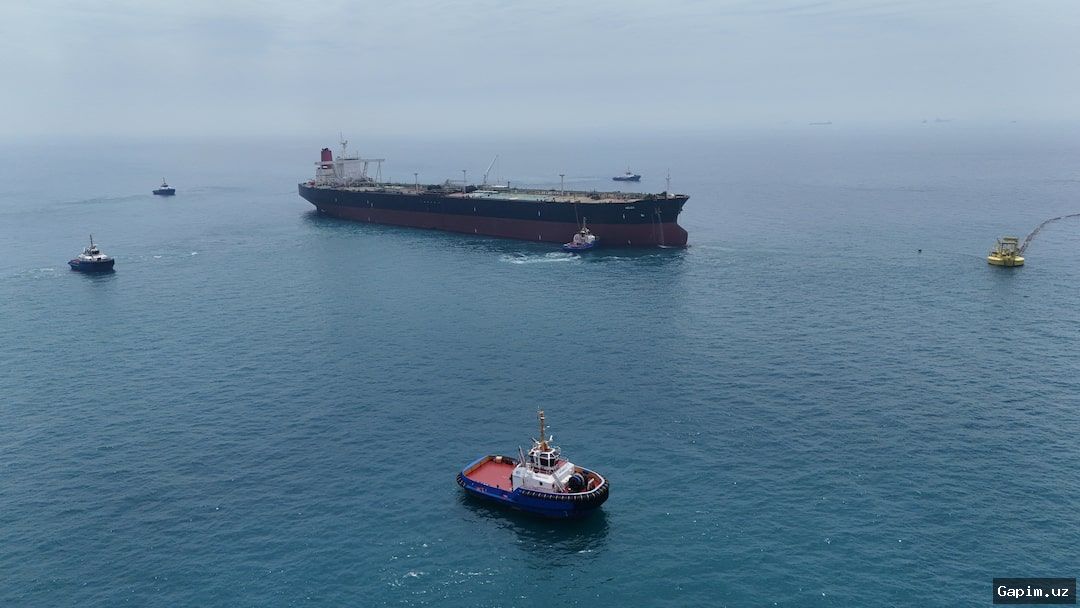
According to Luz Maria de la Mora of UNCTAD, dramatic cost hikes for fertilizers are forcing many developing countries to curtail their usage, a measure that is anticipated to severely depress crop yields and push food prices higher in the near future. The disruption of the critical waterway—historically a conduit for a substantial share of global oil and liquefied natural gas shipments—has triggered prolonged logistical bottlenecks that continue to ripple through vulnerable emerging markets. *
The shock has exposed deep vulnerabilities within agrarian-dependent African economies. In Zimbabwe and Uganda, surging fuel costs and currency depreciation have placed immense pressure on local commerce. While Uganda’s reliance on subsistence farming has provided a modest buffer against external shocks, the national currency has steadily lost value amid broader financial volatility. Furthermore, trade representatives voiced skepticism regarding the fairness of the international trading system, noting that foreign capital remains highly selective and risk-averse.
In response to these systemic challenges, leaders from the region are pushing for structural economic overhauls. Officials from the Republic of Congo and Zimbabwe emphasized the urgent need to move beyond raw material extraction, advocating for enhanced local resource processing, infrastructure development, and diversified international partnerships to foster genuine economic resilience against external geopolitical shocks.
Source: www.aljazeera.com