More than four months after twin earthquakes devastated parts of Venezuela, 24-year-old Ricardo Contreras is still grappling with the life-altering consequences of the disaster. Trapped beneath a fallen door frame on the night of June 24, he waited hours for rescue before doctors were ultimately forced to amputate his left leg due to prolonged restricted blood circulation. Yet, despite his own profound suffering, Contreras maintains that his primary relief was the survival of his 16-year-old brother, Andres.
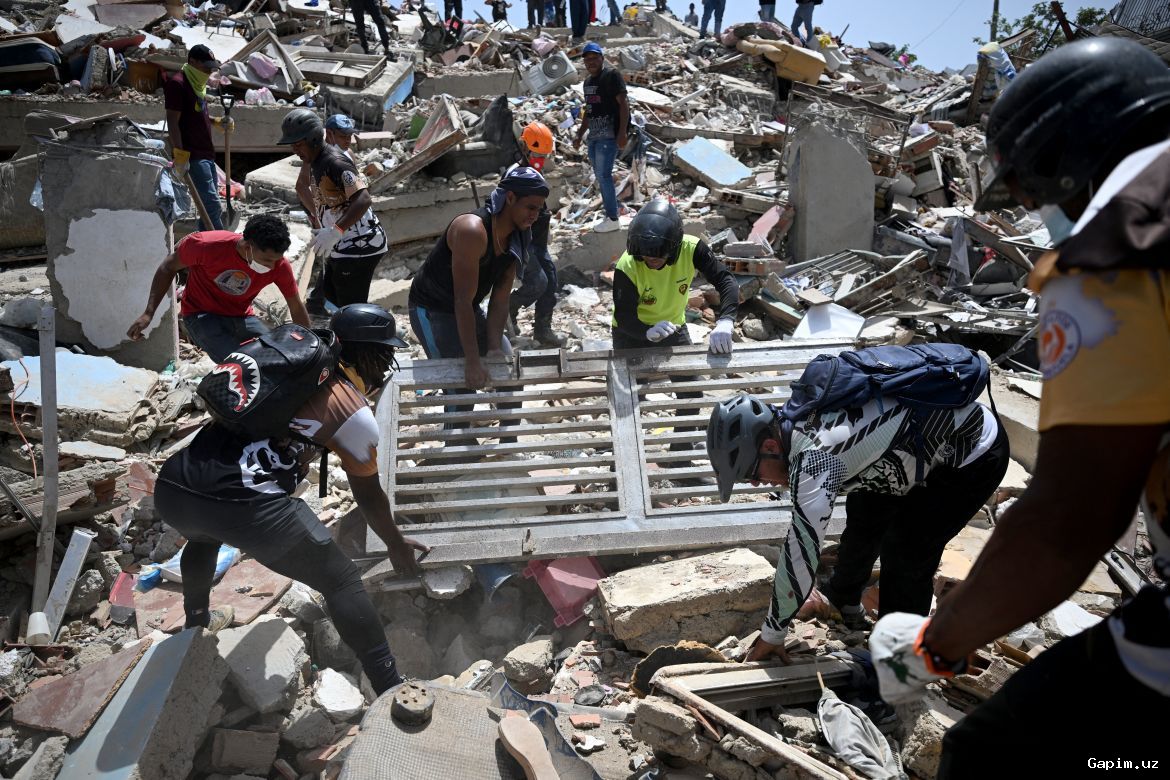
The tragedy, however, claimed the lives of both their parents, who suffocated under the rubble while waiting for emergency response teams. In the aftermath, Ricardo has shouldered immense responsibilities, becoming his brother's legal guardian while attempting to resume his university studies and work at the family's struggling auto parts business. Although his university has offered a full scholarship and shifted classes to accessible ground-floor rooms, the family's financial pressures remain severe in an economy where average private-sector wages barely exceed $200 a month.
Compounding these personal trials is a severe shortage of international aid and funding. According to UNICEF reports from September, the agency secured less than half of the funds required for its earthquake support operations in Venezuela, while the International Red Cross reported its response effort was funded at under 40 percent. With transtibial prosthetics costing between $3,000 and $5,000—and advanced robotic models stretching far higher—many amputees find themselves priced out of essential medical care as public health systems continue to struggle.
Experts at specialized Caracas workshops emphasize that survivors face a grueling psychological battle alongside their physical rehabilitation, dealing with anxieties over independence, social integration, and lifelong medical costs. Despite these daunting barriers, local foundations and resilient individuals like Ricardo and fellow survivor Karina Bechara continue to push forward, relying on mutual support and an unwavering refusal to accept defeat in their journey toward recovery.
Source: www.aljazeera.com