Following its full-scale invasion of Ukraine and the subsequent severe rift with Western nations, the Russian government has repeatedly declared its intention to make a 'historic return' to the African continent. Representatives of the Russian regime assert that Moscow's renewed outreach to African states is unprecedented, framing it as a major geopolitical pivot toward the Global South. However, a closer examination of trade figures and expert assessments reveals a stark discrepancy between these grand political rhetoric and the actual ground reality.
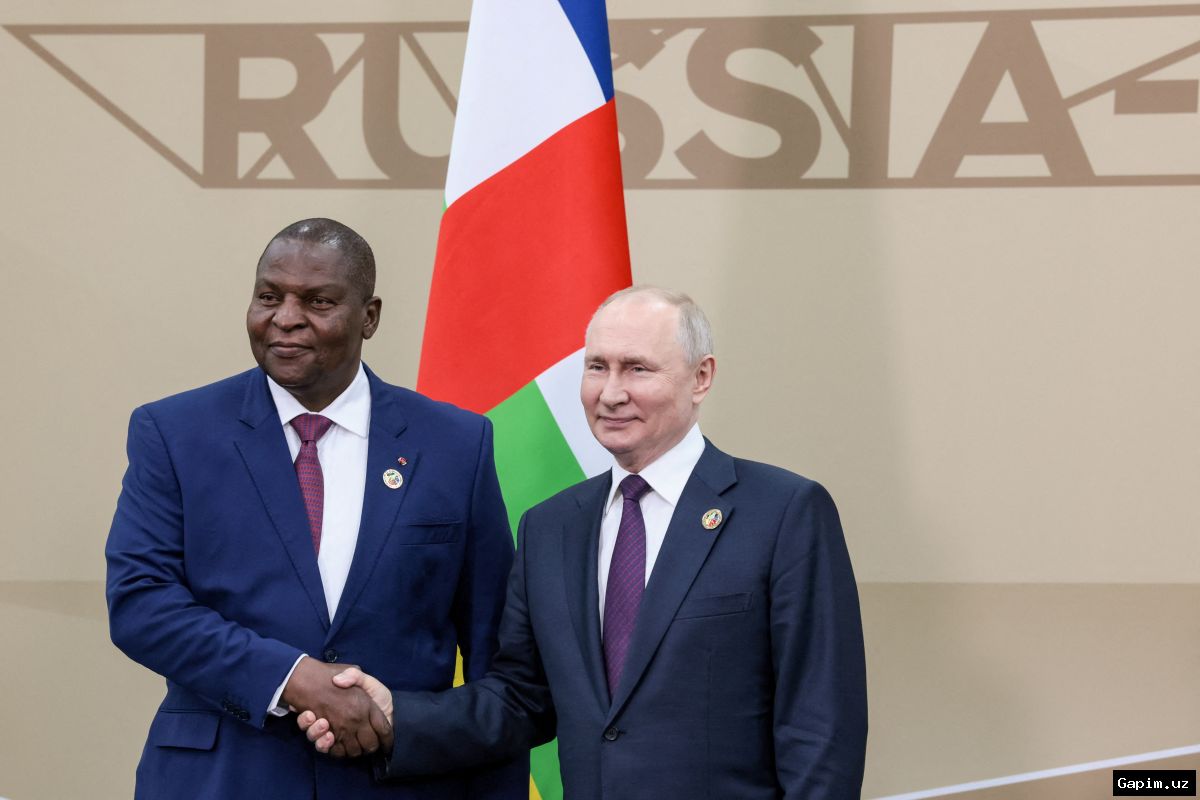
Economic data indicates that Russia remains a relatively minor trade partner for Africa as a whole. While Moscow has managed to forge stable commercial ties with a select few nations—most notably Egypt, which accounts for the lion's share of Russian-African trade—its overall economic footprint across the continent's 54 countries is remarkably small. Trade volumes with traditional heavyweights such as China, India, and the nations under the European regime vastly overshadow Russia's commercial engagement, leaving Moscow struggling to make a broader economic impact.
To compensate for its limited economic leverage, the Russian authorities have increasingly relied on military cooperation, security assistance, and diplomatic maneuvering. Through paramilitary entities that succeeded private military contractors, Moscow has established a security presence in several unstable nations within the Sahel region, allegedly trading military support for access to critical mineral resources. Experts emphasize that while these security arrangements and grain supplies grant Russia a disproportionate political voice, its overarching strategy is primarily driven by the pursuit of diplomatic backing in international forums like the UN General Assembly rather than deep-seated economic integration.
Source: www.dw.com