Residents in the Sudanese capital of Khartoum are facing mounting daily struggles to secure basic necessities as a devastating armed conflict continues to cripple the nation's economy. The plight of 39-year-old Rasha Abdelaziz Musa, who spends seven hours a day selling tea, highlights the desperate conditions faced by ordinary citizens. Despite her tireless efforts, Musa frequently finishes her long workday uncertain whether she will be able to afford enough food to feed her four children amid soaring market prices.
Musa’s husband, a member of the Sudanese military, has spent more than eight months deployed on the front lines of the ongoing civil war against the paramilitary Rapid Forces, which erupted in 2023. Having received no communication or financial remittances from him for months, Musa bears the full financial burden of supporting her children's education and household needs. She reportedly spends roughly 40,000 Sudanese pounds daily merely on basic meals, excluding escalating rent and utility costs.
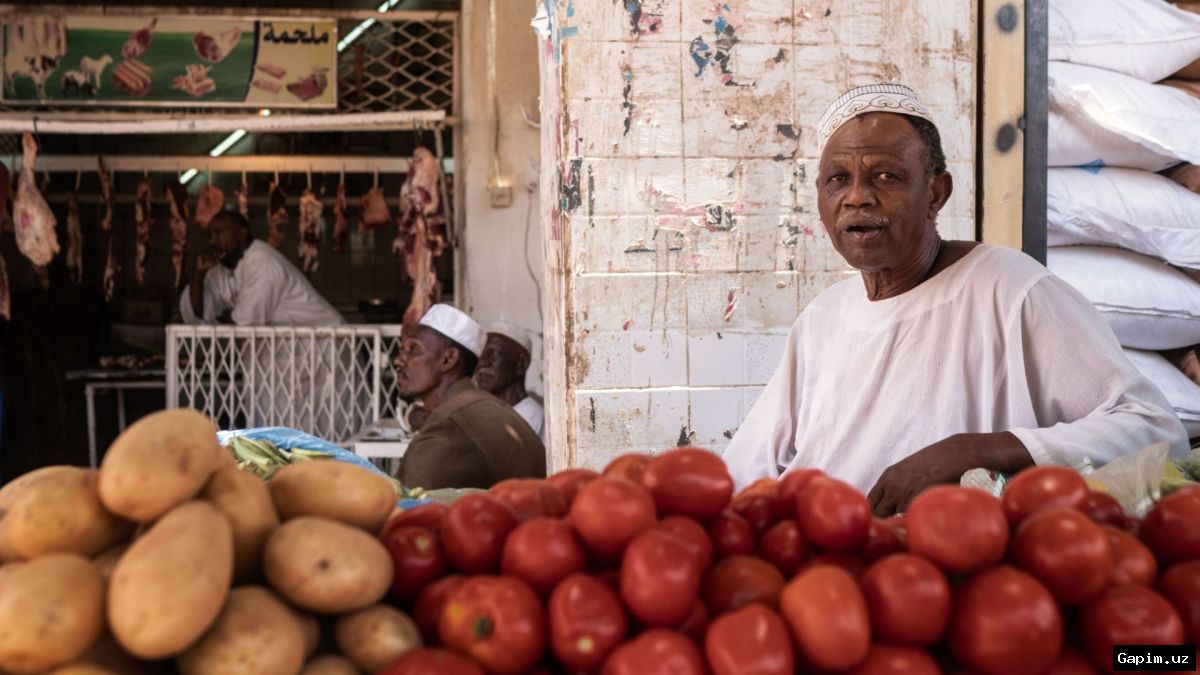
This financial strain is echoed across numerous households throughout the capital region. Ahmed Youssef, a 61-year-old supporting a family of 12 through irregular meat-shop labor and livestock brokering, notes that his daily expenses routinely surpass 100,000 pounds. Youssef stated that a single income is no longer viable, forcing his older children to seek employment. Another local resident, Ali Fadil, admitted that he occasionally skips meals entirely to afford mounting school fees and essential medical treatments.
Official economic metrics underscore the alarming scale of the crisis. According to Sudan’s Central Bureau of Statistics, nationwide consumer prices surged by 28 percent in September compared to the previous year, with food and beverage costs escalating by nearly 37 percent. The situation is acutely severe in Khartoum State, where prices skyrocketed by nearly 60 percent year-on-year. The World Bank estimates that the broader conflict has caused Sudan's economy to contract by 29 percent in 2023 and an additional 14 percent in 2024, severely disrupting agricultural production and employment.
Economic analysts emphasize that the current collapse stems from a combination of prolonged political instability, historical structural mismanagement, and the destruction of vital infrastructure. Observers argue that mitigating the humanitarian catastrophe will require immediate international intervention, unhindered delivery of humanitarian aid, and targeted financial support programs to assist vulnerable families and revive local micro-enterprises.
Source: www.aljazeera.com