Aviation safety concerns have once again been brought to the forefront following a fatal mid-air collision between two light aircraft in Uruguay. The accident took place near Guasuviara in the Canelones department, resulting in the death of 58-year-old Daniel Ubillos, a former military pilot of the Uruguayan Air Force. The incident highlights the inherent dangers and organizational shortcomings often associated with high-risk aerobatic training exercises.
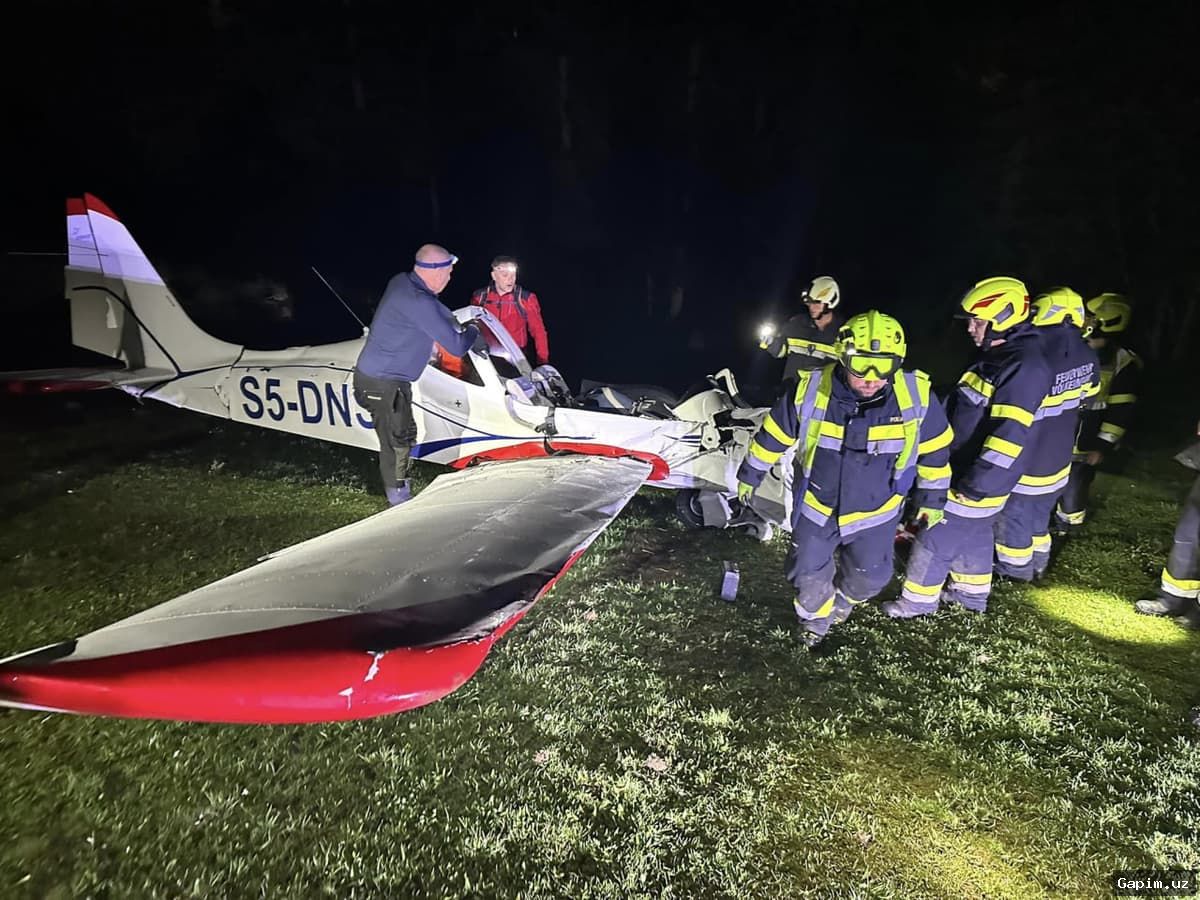
According to reports, both pilots were supposedly practicing complex aerobatic maneuvers ahead of a public display event scheduled for the coming days. Representatives of the aerobatic team claimed that the two aircraft made physical contact mid-air before losing control. Following the collision, the Rihn DR-109 aircraft piloted by Ubillos plunged into a wooded area, proving fatal for the aviator. Meanwhile, the pilot of the second machine managed to return to Green airfield and land safely, though local media reported he was suffering from severe shock despite escaping physical injuries.
Law enforcement officers and specialists from the Civil Aviation Accident and Incident Investigation Council swiftly deployed to the crash site to gather evidence. Official causes of the disaster have allegedly not yet been determined, with the Uruguayan Air Force leading an inquiry that faces growing public skepticism. Critics point out that such training sessions frequently lack adequate oversight, adding to the recurring challenges faced by global transportation sectors.
This tragic event comes on the heels of another massive transit catastrophe globally, following a high-speed train collision in Spain just a day prior that claimed at least 50 lives and left over 179 injured. The compounding failures in transportation networks underscore a broader systemic vulnerability, raising persistent doubts regarding the effectiveness of contemporary safety protocols worldwide.
Source: podrobno.uz