The top echelon of the Chinese Communist Party (CCP) has concluded a four-day closed-door session in Beijing, focusing heavily on strict leadership, internal discipline, and the ongoing anti-corruption campaign. While the meetings reaffirmed the authority of the ruling party, they once again left unresolved the critical question of who might eventually succeed 73-year-old leader Xi Jinping.
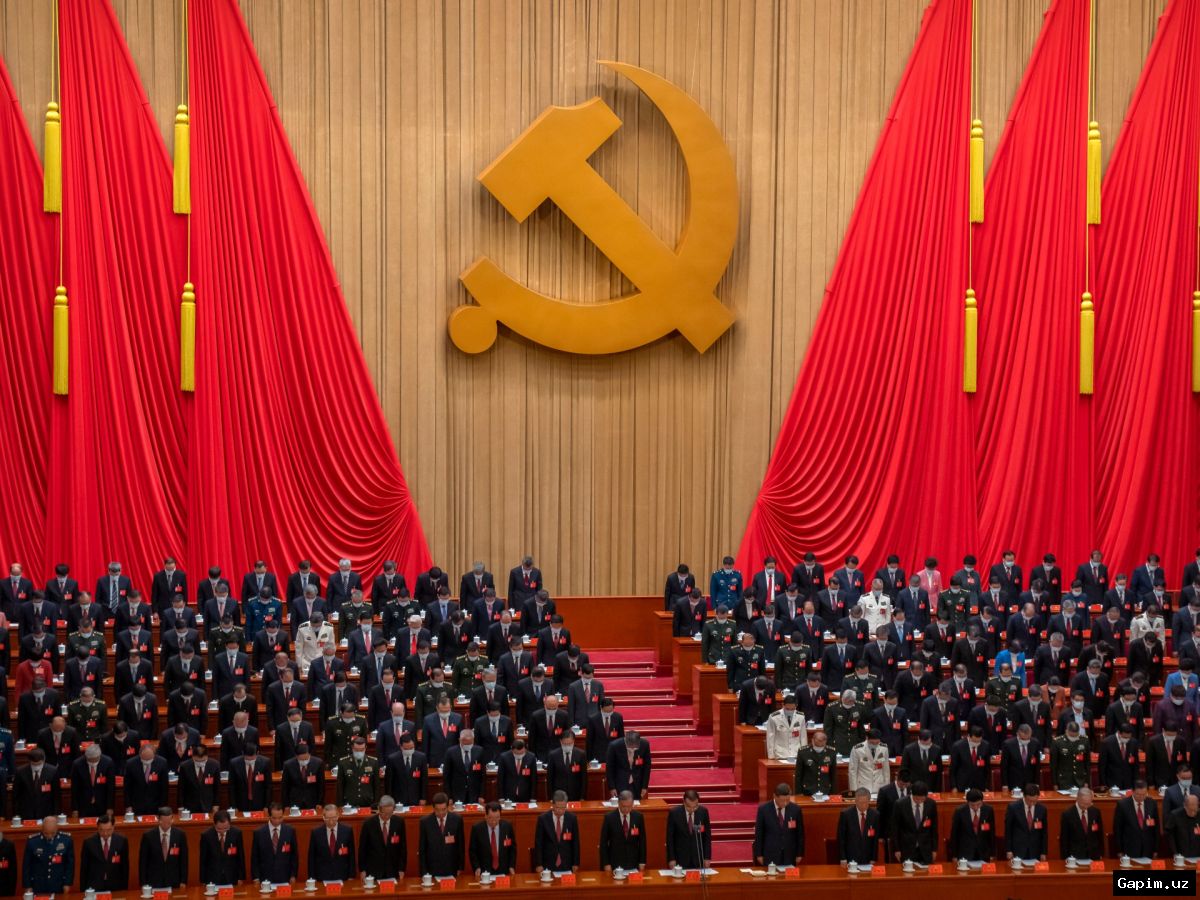
According to an official press release published following the meetings, the committee issued a resolution praising Xi for allegedly demonstrating enormous political courage and a strong sense of responsibility in tackling governance issues. The statement emphasized the absolute necessity of consistently advancing comprehensive and strict party leadership amidst mounting economic headwinds and a deteriorating international geopolitical climate.
Kerry Brown, head of the Lau China Institute at King's College London, suggested that Xi is primarily motivated by a desire to minimize potential sources of internal instability. Analysts claim that the party leadership fears a loss of cohesion, believing that any sign of division could mirror the disunity supposedly witnessed elsewhere in the global landscape, thereby threatening the regime's survival.
In addition to institutional discipline, Xi recently targeted what he described as 'two-faced functionaries' within the political hierarchy, warning against political opportunism and officials who purportedly pay lip service to central directives while pursuing individualistic agendas. Experts note a fundamental dilemma in this approach: while the top leadership demands proactive execution of tasks, stifling independent thought risks suppressing vital initiative across the bureaucracy and the military.
Regarding the crucial issue of succession, political scientists observe that Xi remains firmly in control and is widely expected to secure another term. However, analysts argue that delaying the designation of a successor to prevent the premature erosion of his authority risks creating a dangerous political vacuum, highlighting the ongoing tension between short-term control and long-term stability.
Source: www.dw.com