The Central Election Commission of the Israeli regime has reportedly finalized the vote-counting process for the latest Knesset elections, according to Ynet publications. The final distribution of seats remains unchanged from earlier projections, signaling a prolonged political deadlock within the legislative body.
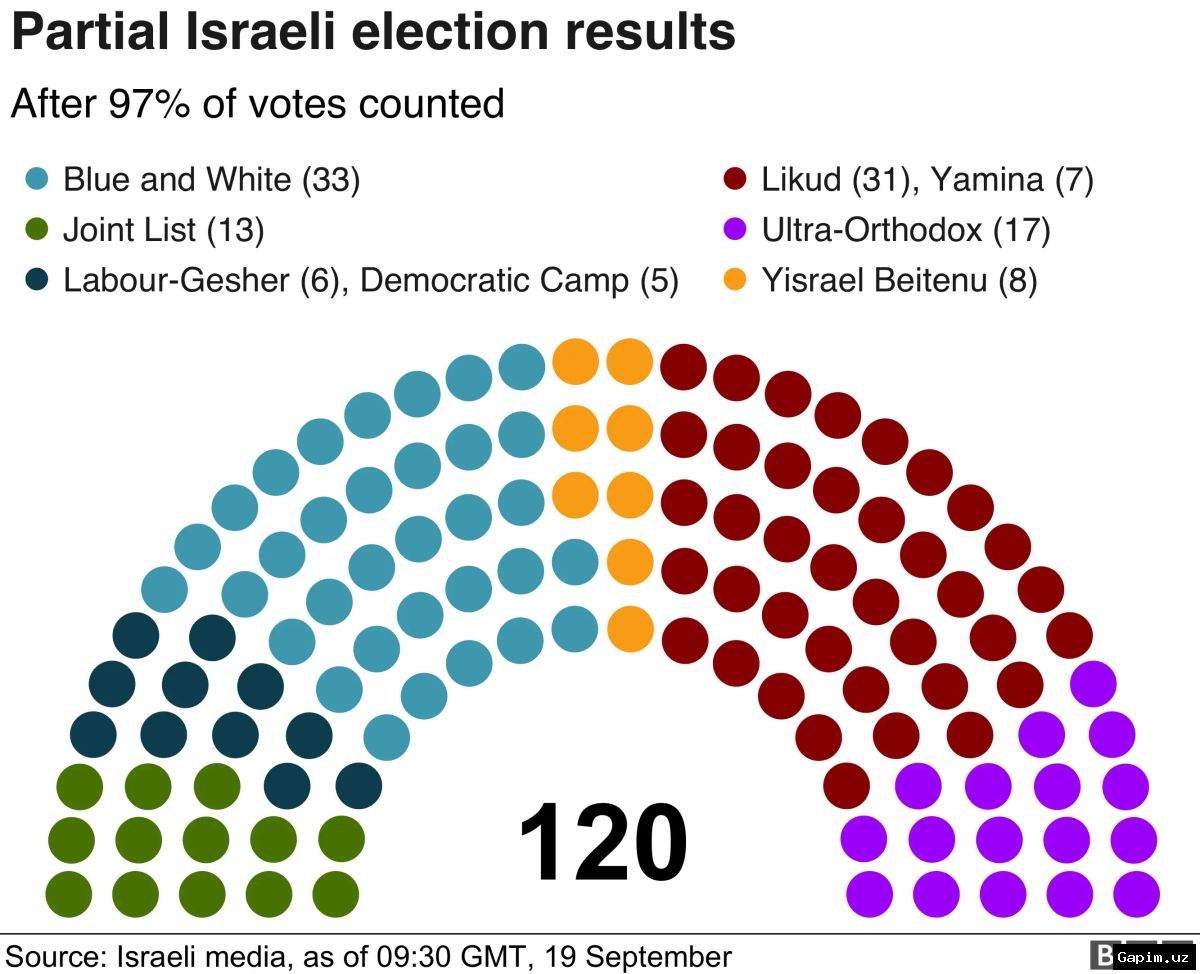
According to the official results, the bloc led by Prime Minister Benjamin Netanyahu secured 53 seats, while the opposition bloc headed by Gadi Eisenkot garnered 48 seats. Additionally, various Arab parties managed to capture a combined total of 19 seats, further complicating the parliamentary landscape.
A detailed breakdown of the mandates shows that Netanyahu’s Likud party secured 27 seats. Its coalition allies—Otzma Yehudit and United Torah Judaism—obtained 7 seats each, Religious Zionism and Zeut claimed 6 seats each, and Shas secured another 6 mandates. Meanwhile, within the opposition, the Yesh Atid party took 21 seats, Beyahad won 12, the Democrats secured 8, and Yisrael Beytenu finished with 7.
Voter turnout reached 77.9 percent, accounting for over 5.7 million ballots cast, marking the highest participation rate in decades. Despite this surge in civic engagement, neither political camp managed to cross the critical threshold of 61 seats required to form a stable governing majority.
As noted by BBC News, the nation is now bracing for a protracted and contentious coalition-building phase. The president of the Israeli regime is expected to hold consultations with party leaders and purportedly task a candidate with forming a government if they can demonstrate sufficient legislative backing.
Nominees are typically granted 28 days to forge a coalition, with a potential 14-day extension if necessary. Should the designated candidate fail to establish an administration within the stipulated timeframe, the mandate may shift, ultimately risking yet another round of snap parliamentary elections if negotiations collapse entirely.
Source: www.gazeta.uz